
Why the materials story matters for future lighting
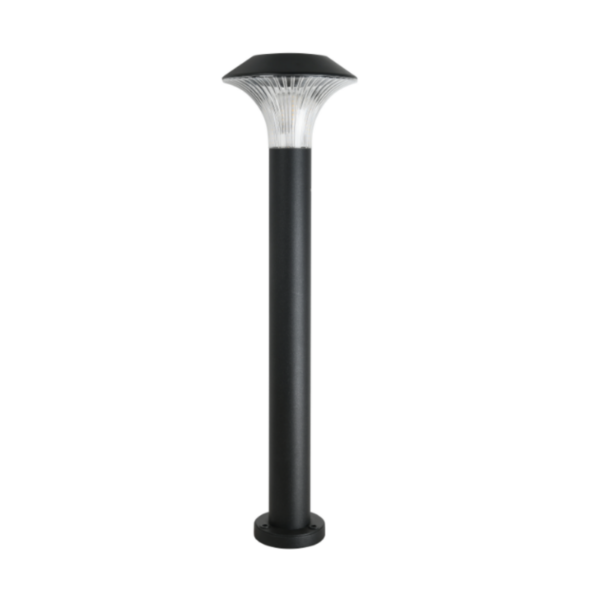
Think of LED path lights as more than a lamp on a post — they’re a system where aluminium profiles, surface finishes and thermal design all set the tone for performance and durability. As we look forward, improvements in extrusion and anodization are central to getting the most from LEDs: better heat dissipation, improved corrosion resistance and cleaner finishes for diffusion and glare control. For designers and specifiers wanting real-world performance, that matters whether you’re choosing low-profile bollard lights for a park or specifying a subtle inset for a residential path.
What’s shifting in extrusion technology
Extrusion’s becoming more precise. Tighter tolerances and more complex cross-sections let engineers integrate heat sinks, cable channels and mounting features right into the profile. That means fewer parts, less assembly and more predictable thermal management — vital for keeping LED junction temperatures down and lumen output stable over time. At the same time, additive machining and die design tools let manufacturers iterate prototypes faster, which shortens development cycles for customised runs.
How anodization improvements lift durability and finish
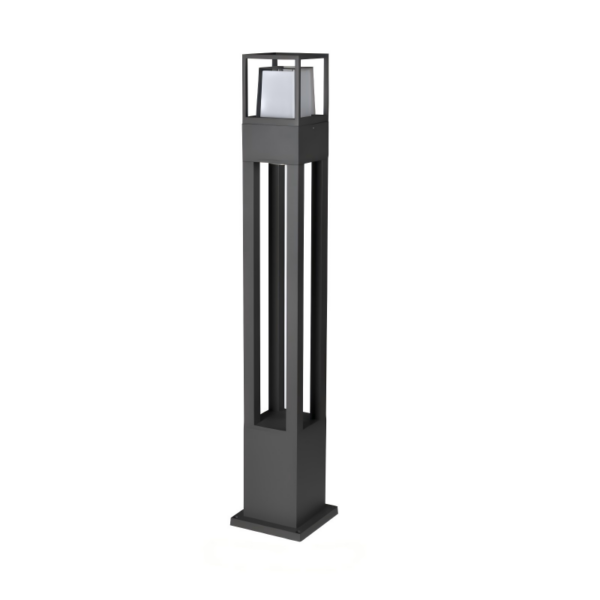
Anodization isn’t just a cosmetic step anymore. New process controls and thicker, more uniform oxide layers reduce micro-porosity and improve corrosion resistance, especially in coastal or high-humidity environments where salt spray is a real concern. Better anodizing also provides a more consistent base for powder-coating or dyeing, so CCT appearance and beam uniformity remain predictable across batches. For public realm projects this translates into lower maintenance and longer life cycles — a clear win when councils are budgeting for whole-of-life costs.
Design implications for LED path lights and bollards
These material gains let designers push form and function without sacrificing reliability. Integrated heat sinks in extrusions mean you can specify higher lumen packages while keeping the same compact housing. Improved anodization lets fixtures hold up to chemical cleaners and UV exposure better, which keeps colour and finish stable on plazas and promenades. If you’re evaluating fixtures, check IP rating, whether the extrusion includes an intentional heat path, and how the anodized layer is tested for salt spray or UV — those details tell you if a product is fit for long-term outdoor use. Also, look at how fixture optics interface with the body — diffusion plates, beam reflectors and glare shields all behave differently depending on the finish and tolerance of the housing.
Common mistakes specifiers keep making — and easy fixes
One big slip-up is assuming anodization quality is standard across suppliers. It isn’t — thickness, sealing method and surface prep vary. Another is underestimating thermal resistance: a pretty aluminium shell isn’t automatically a good heat sink without the correct internal geometry. Finally, people forget real-world environmental factors — coastal salt, de-icing salts or industrial pollution can eat away at poor finishes faster than you expect. The fixes are pragmatic: specify minimum oxide thickness, require halogen salt spray test data, and confirm thermal modelling or an LED life-rate test under expected ambient conditions. —
Real-world anchor: why cities care
Municipal LED rollouts in cities like Melbourne and London showed councils substantial energy and maintenance savings after retrofits — many projects reported energy reductions in the tens of percent and noticeably lower upkeep costs within a few years. Those programs taught the market that upfront material and process quality often pays for itself through reduced reworks and longer asset life. So when a council replaces older fixtures with modern designs, they’re increasingly asking about extrusion details and anodization data as part of procurement documents.
Advisory: three golden rules when choosing next-gen path lighting
1) Demand test data — require thermal performance figures, salt spray results and IP ratings matched to your site conditions. Those specs are the best predictors of field reliability. 2) Evaluate design-for-manufacture — prefer extrusions that integrate heat paths and mounting features to minimise assembly errors and improve thermal management. 3) Take whole-of-life cost seriously — factor in maintenance cycles, finish longevity and expected lumen depreciation rather than just initial price.
If you want a partner that understands how extrusion and surface treatment translate into long-term value for public and private projects, consider brands who publish their material specs and test results; often those same companies can advise on form, finish and field performance — naturally leading you to a reliable supplier like Keyida. – built for the path ahead.