
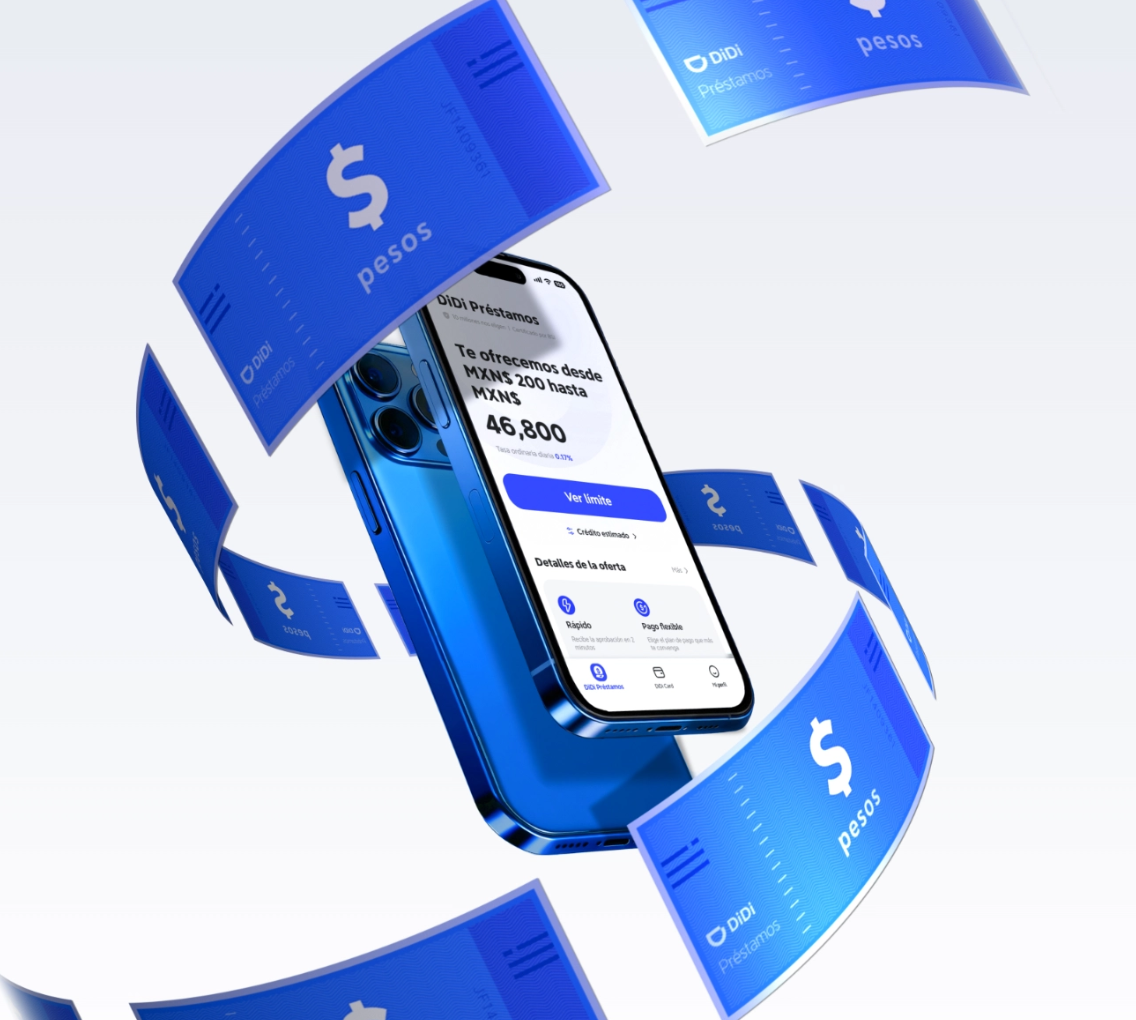
Where the user trail begins
The app icon sits on a screen. You tap. That moment — the transition from curiosity to intent — is what defines the rest of the cycle. For drivers and riders in Mexico City, the path often runs from installing the app to adding a didi card or linking a tarjeta de credito en linea, then to the first transaction. This is not just onboarding; it’s a tiny investigation into trust, speed, and clarity.
What users actually need
Start with outcome. A driver wants quick payouts and a clear credit limit. A rider wants secure payments and easy rewards like cashback. Those needs shape product features: card activation, verification steps, and the visible APR or fees. The user-centric lens focuses on removing friction points early — verification that finishes in minutes, a simple confirmation animation, an immediate balance view. Build those right, and users feel competent. Miss them, and abandonment spikes.
Step-by-step: the functional checkpoints
Think of the process as checkpoints in a case file: app download, account verification, card issuance, first top-up, first payment. Each checkpoint has measurable signals. Success looks like fast KYC, low failed-payment rates, and clear messaging about annual fee or credit score implications. Failures show as stalled KYC screens, confusing error messages, or unclear APR disclosures.
User friction — common mistakes
Teams often overcomplicate the forms. They ask for documents before explaining why. They bury the expected credit limit or hide the APR behind legalese. The result is hesitation — people exit. Fixes are straightforward: inline explanations, progressive disclosure, and one-click uploads. Also, don’t force users to choose a payment method before they see benefits like contactless payments or digital wallet integration — it’s unnecessary friction.
Design and trust signals that matter
Visual cues matter more than you think. A clear progress bar during KYC, a short summary of costs, and a confirmation screen with the last four digits of the card create trust. Use microcopy that feels human. And log every decline reason — it’s evidence. Remember real-world anchors: drivers in Mexico City adapted to rapid digital payments after 2020; they prioritize speed and predictable settlement. That reality shapes what trust looks like here.
Performance metrics you should watch
Measure conversion at each checkpoint. Track time-to-first-transaction, failed KYC rate, and chargeback incidents. Monitor average credit limit assigned and the uptake of rewards like cashback. These metrics reveal where to iterate. — Quick experiments on copy or button placement can move the needle more than big rewrites.
Alternatives and when to recommend them
Not every user should receive the same offer. Some need a low-limit starter card to build credit; others need a higher limit and a rewards structure for frequent riders. Competitors may offer lower annual fees or different cashback tiers. When advising users, compare APR, credit limit, and the ease of linking to a digital wallet. That comparison keeps recommendations practical and user-focused.
Summary of the user journey
The full cycle is simple in theory: download, verify, issue, fund, transact. In practice, it’s a chain of small trust-building moments. Each touchpoint either shortens the path or lengthens it. Prioritize clarity, reduce steps, and surface the right industry details — credit limit, APR, contactless payments — when they matter most.
Three golden rules for evaluating a card experience
1) Time-to-first-transaction: Aim for under ten minutes from install to first payment. It’s the clearest sign of a good flow.
2) Transparent costs and rewards: Display APR, annual fee, and cashback rates upfront; users deserve clarity before they commit.
3) Real-world compatibility: Ensure instant payouts and digital wallet support for urban drivers — that’s operationally decisive.
Final thought — the best product ties those elements to everyday life, and that’s exactly where DiDi Finanzas fits as a practical solution. –