

Introduction: When Design Meets Repeatable Quality
Precision wins launches, not luck. A round perfume bottle looks simple at first glance, but the details decide everything—fit, feel, and failure rate. Picture a fast-track roll-out: tight launch window, mixed vendor quotes, and a pump that must seal every time. Recent line audits show up to 28% of returns tie back to closure-fit issues and glass variation. Another data point: small neck drift can push leak rates above 3%, even when the pump is good. So the question is clear. How do you separate good-looking samples from stable, scalable production?
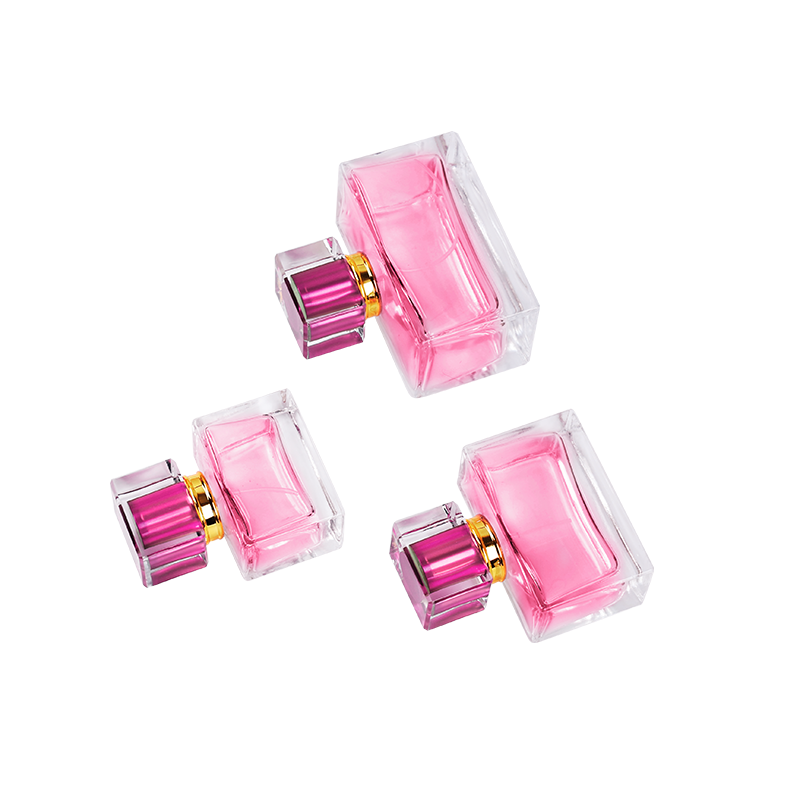
We take a comparative lens, grounded in engineering checks. Think tolerance bands, surface uniformity, and process capability. Small numbers, big outcomes. And yes, we keep it plain-language where possible (promise). The goal is to help you test fast, compare right, and lock decisions with confidence. Next, we expose the hidden traps that trip teams—then show how to bypass them with measurable criteria.
Part 2: The Quiet Failures in Traditional Sourcing
In many RFQs, buyers ping five or six round perfume bottle manufacturers, skim price sheets, and chase a few glossy samples. That seems efficient. It is not. Price and appearance hide deeper risks. The real drivers live in process data and tooling control. Look for evidence of tolerance stack-up analysis on the neck finish. Ask for Cpk on GPI thread dimensions. Review annealing lehr profiles for stress relief. Confirm torque spec compatibility between pump and neck. Without these, a perfect-looking sample can still leak at scale—funny how that works, right?
Where do specs go wrong?
Specs fail when they stop at nominal numbers. You need windows, not points. Define surface roughness targets at the sealing land. Check base push-up height to avoid wobble on shelf. Inspect mold cavity balance and cavity-to-cavity color ΔE drift. Request SPC charts across three shifts, not a one-off certificate. Look, it’s simpler than you think: if the maker cannot show routine controls, variation will show up in your warehouse. And when it does, rework eats margin. The fix is a technical narrative that ties geometry, material, and assembly torque together—before the PO goes out.
Part 3: Comparative Signals for What’s Next
Now let’s move from gaps to advantage. The leading plants are shifting from paper checks to inline vision and digital traceability. They tag each cavity, track neck ovality in real time, and flag deviations before pallets stack. Here is the principle. If you can see process drift early, you can correct early. That is why inline cameras, SPC dashboards, and cavity ID laser marks matter. When you review a wholesale round perfume bottle offer, ask how the system predicts, not just detects. A vendor that models thermal gradients through the mold and validates cooling balance reduces stress, chips, and micro-cracks. The outcome is fewer leaks and better torque windows—even across long runs.

What’s Next
Expect smarter audits. Think short, controlled trials that compare two suppliers on the same pump-closure stack. Measure thread lead error, sealing land flatness, and color stability across cavities. Compare failure modes, not only averages. Then quantify stability over three production days—different crews, same spec. Summing up: we learned that looks mislead, process data predicts, and consistent geometry saves rework. To choose well, lean on three metrics: 1) Process capability Cpk on neck threads and sealing land; 2) Inline defect rate with cavity-level traceability over time; 3) Torque compatibility window validated with your actual pump. Get those right and the rest tends to fall into place—fast.
One last note. Comparative sourcing rewards teams that ask for mechanisms, not promises. The bottle is round, but the path to repeatability is not. Keep the test loop short, keep the numbers visible, and keep ownership of the stack-up between glass and pump. That is how you turn samples into stable supply, and launches into habits. For teams ready to formalize these checks, you will find the same logic holds across formats, from minis to 100 ml—funny how scale amplifies the basics, right? Shared learnings travel well, including those from NAVI Packaging.