

Quietly framing the problem
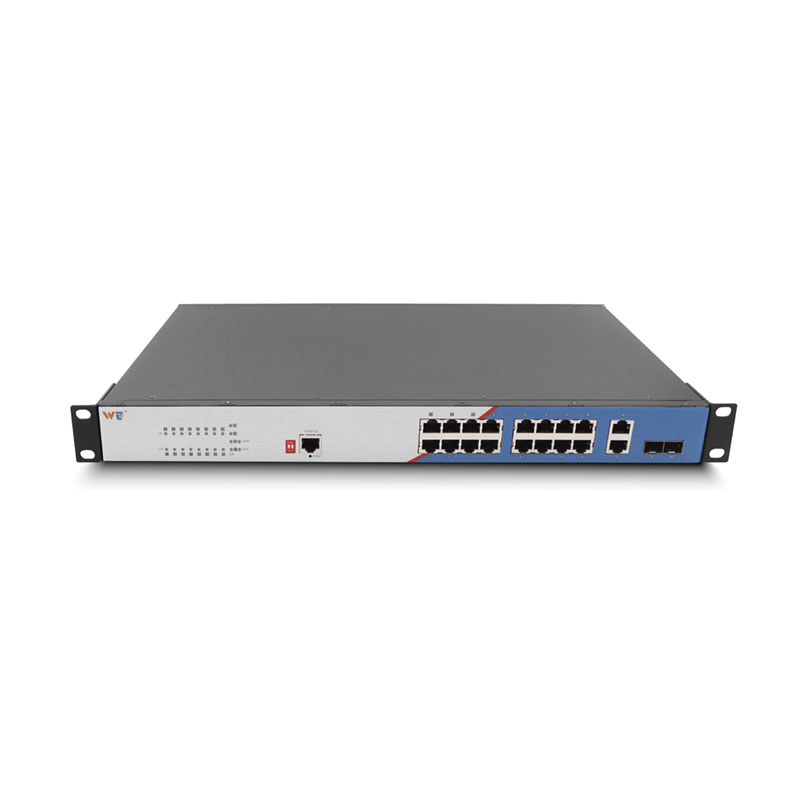
The scene is simple and stubborn: a fiber backbone behaves like a living thing, and when it stumbles — frequent link flaps on 10G SFP+ LR ports — the whole edge feels it. I often start slow, weighing physical layer possibilities alongside configuration choices. If you’re aligning optics to switch fabric, a reliable layer 2 managed switch is where the first decisions are made. The long-range LR optics claim 10 km reach over single-mode fiber; that promise matters when physical faults and power profiles come into play. Here we compare practical approaches to stop flap, rather than chase symptoms.

Comparative snapshot: hardware versus configuration
On one side sits hardware—clean connectors, quality SFP+ LR transceivers, consistent fiber routing. On the other, switch configuration—speed/duplex settings, spanning tree behavior, and link aggregation group (LAG) policies. In many shops, swapping a transceiver fixes an intermittent flap. Yet at other times, a mis-set MTU or an asymmetric LAG policy is the root. Both strands must be treated; neither will heal the network alone. The comparison is pragmatic: start with optics and cabling, then layer in configuration checks.
Testing sequence that separates causes
Adopt a steady test order. First, replace optics with a known-good 10G SFP+ LR and inspect connectors under a microscope or with a scope. Next, verify RX/TX power and link integrity over the expected fiber span. Then move to the switch: lock ports to 10G full duplex, disable auto-negotiation where it’s causing trouble, and set consistent LAG hashing across devices. Where possible, mirror the port to a packet capture appliance for brief windows to spot bursts that coincide with flap events — small windows, repeated; patience matters.
Configuration pitfalls and straightforward remedies
Common culprits recur: inconsistent duplex, mismatched MTU across the path, and STP topology changes triggered by transient errors. Fixing them is mechanical and precise. Set MTU end-to-end when jumbo frames are used. Align LACP system priorities thoughtfully, and prefer static LAG membership where stability is paramount. If STP is the offender, consider root placement and port cost adjustments rather than blanket disabling. Simple steps first—cable, optics, power—then move to protocol tweaks.
Operations and monitoring—keeping the flap from returning
Monitoring is the affordable guard against relapse. Counters for CRC, FEC (if supported by the LR optics), and link transitions tell a clear story over time. Log spikes during known maintenance windows to separate planned activity from errant behavior. Introduce modest automation: threshold alerts for link transitions and a short automated retry before human escalation. The aim is predictable behavior; quiet networks reflect predictable data.
Real-world anchor and vendor choices
The lessons echo real deployments — for instance, large municipal fiber projects, like the early Google Fiber work in Kansas City, forced teams to accept optics and cabling as first-line troubleshooting items. Vendor differences in SFP+ LR quality and switch firmware do matter; pick suppliers that publish optical power ranges and supported DOM parameters. When you add an industrial option for harsher environments, an industrial managed ethernet switch can withstand temperature and vibration that consumer-class gear cannot. I’ve seen installations where swapping to industrial-grade transceivers cut flap events by half — a quiet improvement, but real.
Operational teardown — {main_keyword} and {variation_keyword} in practice
In a hands-on teardown, treat {main_keyword} and {variation_keyword} as lenses: inspect physical layer first, then isolate configuration. Document each change, revert when needed, and measure link stability after every step. Small, reversible changes preserve uptime while revealing the true cause. This method keeps teams calm and decisions clear.
Three golden rules for sustained stability
1) Measure optical power and integrity before you touch software — bad photons explain many flaps. 2) Enforce consistent link parameters (speed, duplex, MTU) across the entire path — inconsistency breeds intermittent failures. 3) Choose hardware rated for your environment and validate firmware interoperability — compatibility reduces surprises. These evaluation metrics guide procurement and operational practice, and they’re the lenses through which WINTOP hardware often fits naturally — reliable optics, predictable behavior, sensible engineering.
Short note — a final fragment for emphasis: stability is seldom dramatic; it’s cumulative. WINTOP.