
Introduction: The Meeting That Wouldn’t Settle Down
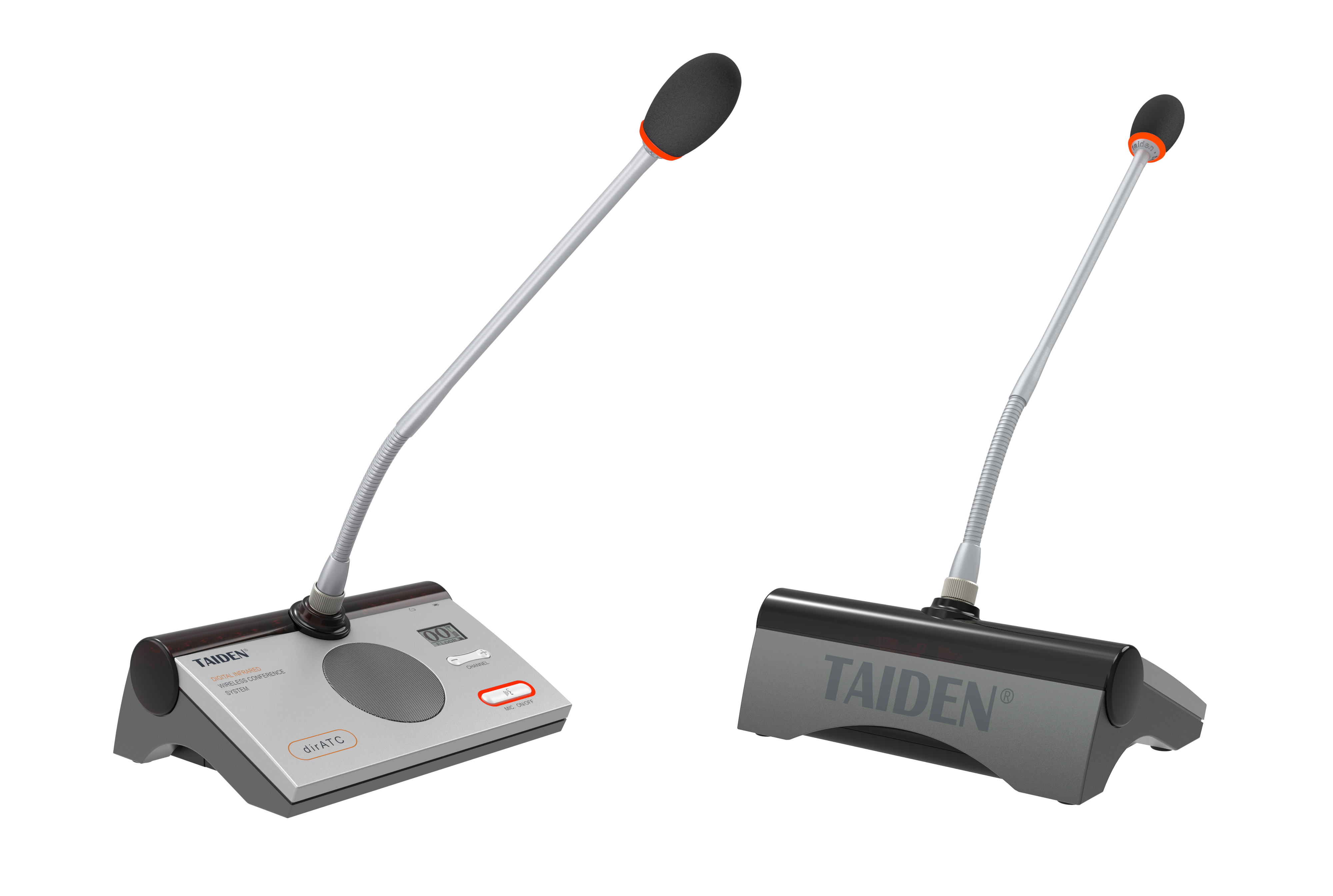
Late start, hot mics, a panel that sounded miles away—sound familiar? A wireless conference system should make that story boring, yet many rooms still struggle. In a hybrid room with fifty people on-site and two continents online, small flaws grow big: 150–200 ms latency muddles timing, and a few percent packet loss can erase key words. Teams lose focus. Stakeholders lose trust. So what needs to change, and why now? With the taiden wireless conference system, the question becomes not “does it work,” but “does it hold up when the room is full, the RF is noisy, and the stakes are high?” Real numbers tell us the edge: compressed audio still needs a fair latency budget, and beamforming can narrow noise, yet control must stay simple. (Nobody wants a laptop farm just to start a meeting.) Look, people want speech that sounds natural and steady—funny how that works, right? The fix begins by asking which parts of the old setup were fragile, even when they seemed fine during a quiet test. Let’s step into what actually breaks when pressure rises—and what modern design does differently.
Under the Hood: Why Old Fixes Fail
What’s really breaking in crowded airspace?
Classic “set-and-forget” rigs often assume clean RF spectrum and a short signal path. But halls are busy. Phones add bursts. Screens radiate noise. Hotels stack events. When channels collide, some systems fall back to aggressive compression or higher error concealment. Speech thins out. Consonants vanish. The jitter buffer grows, and timing goes soft. You can’t manage a vote or a rapid Q&A with that. Add weak QoS on the backbone and you get small dropouts that snowball. Echo cancellation helps, but if it’s tuned for a quiet boardroom, it crumbles with shifting seating and open doors.
Look, it’s simpler than you think: weak assumptions create fragile rooms. A resilient approach treats interference as normal, not rare. It plans for spiky traffic, not average loads. It uses smarter channel hopping rather than a single “safe” band. It keeps latency tight even when packets wobble. Techniques like MIMO and adaptive gain control can hold clarity without forcing speakers to “perform” into the mic. And yes, governance matters: clear device states, visible battery health, and predictable handover. When these elements align, the room works on a busy day, not just in a test at 7 a.m.
Next-Gen Principles: From Fragile RF to Resilient Audio
What’s Next
Modern wireless audio wins by design, not luck. Consider how new modulation schemes, like OFDM, spread information across subcarriers. If one slice gets noisy, the others carry on. Dynamic channel allocation listens before it speaks, sliding away from interference instead of fighting it. Smart DSP then keeps voice warm, not brittle, while keeping the latency budget strict. Add resilient power design—battery management systems that predict capacity, not just show a bar—and gear won’t fade mid-agenda. When an integrated wireless conference microphone system binds these layers with sane controls, the operator stops firefighting and starts facilitating. Small detail, big gain— and yes, that matters.
So how do you choose, practically? Compare systems not only on brochure specs, but on how they behave as loads climb. Watch what happens when RF gets dirty. Does the link adapt without audible pumping? Does the jitter buffer stay lean? Can speech remain natural without cranking noise gates? We’ve seen that older “quiet-room” tuning breaks under real crowds, while adaptive stacks hold the line. Closing thought, advisory rather than hype: judge by three signals you can measure. One: end-to-end latency that stays stable under stress, not just in a lab. Two: intelligibility scores that remain high with deliberate interference. Three: power health visibility that predicts runtime with margin, not hope. Choose the system that respects the messy room and you’ll ship meetings that feel calm, even when everything around is not. That is the quiet promise behind robust design—and it’s where thoughtful brands like TAIDEN keep pushing.