
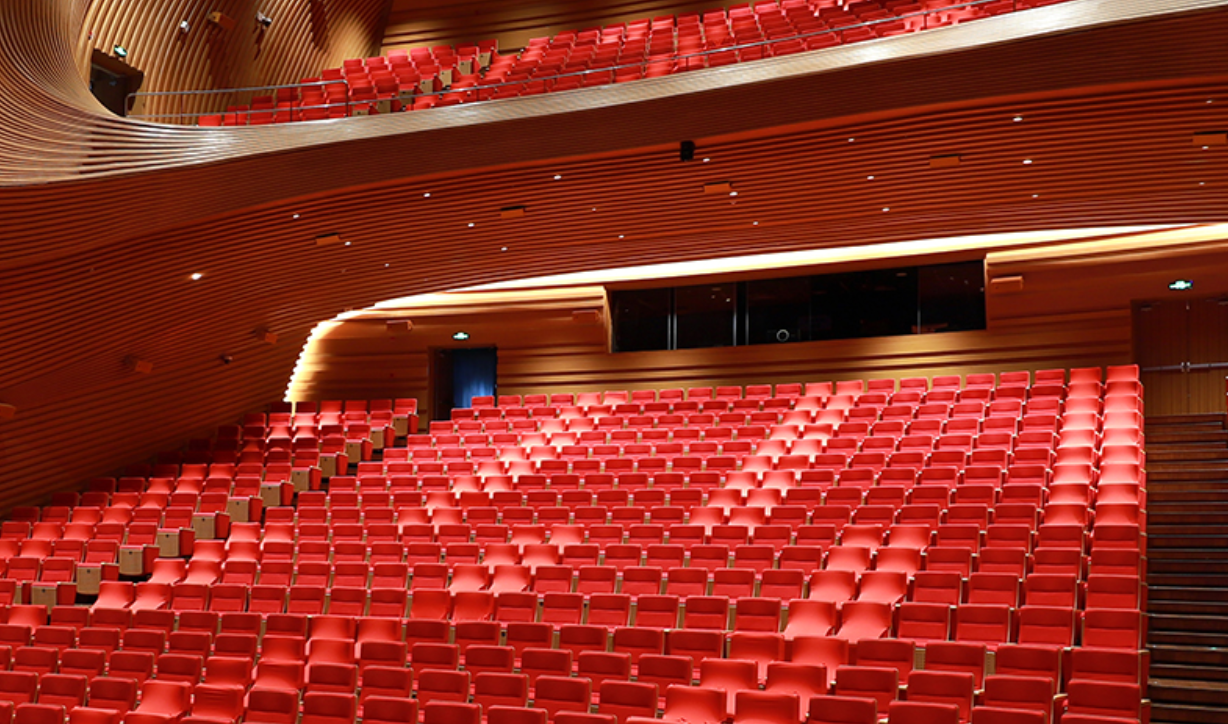
User-first seats: why the congregation notices first
People arriving at a service clock comfort instantly — and that first impression is often the seat. A user-centric approach treats seating as part of the welcome: good ergonomics, sensible aisle width, and solid upholstery make people relax faster. Too many venues ignore the basics; working with a local seat manufacturer means you can match materials and sightlines to how your congregation actually moves and sits.
Design that serves real routines, not just looks
Design here means both appearance and daily use. Think modular seating rows that reconfigure for events, padded pew alternatives with fire-retardant foam for safety, and finishes that tolerate frequent cleaning. Those choices cut down maintenance time and keep your space looking fresh. In Cape Town, several churches found that replacing rigid benches with articulated chairs boosted attendance comfort without changing the building’s character — a subtle win for both aesthetics and function.
Accessibility, sightlines and the flow of people
Accessibility isn’t an afterthought. Proper aisle width, clear wheelchair locations, and staggered seating improve sightlines for everyone. Seating layouts can preserve historic floor patterns while adding modern comforts — that’s how you respect a place’s story without trapping people on uncomfortable benches. Practically, a well-planned layout reduces congestion at entry and exit, and keeps services calm.
Materials and durability that keep costs down
Choose materials that survive daily use: hard-wearing upholstery, replaceable seat pads, and corrosion-resistant frames. These specs matter because they affect lifetime cost and the seat’s acoustic behaviour. Use fabrics and finishes designed for frequent cleaning in public spaces; it keeps the place welcoming and extends product life — less waste, fewer surprise replacements.
Acoustics and sight combined with seating choices
Seats influence sound. Upholstered surfaces absorb mid-range frequencies and reduce reverberation, while rigid rows can reflect noise into the congregation. Pairing chosen chairs with selective acoustic paneling helps spoken word clarity and music balance. — Small changes here pay off big during services and concerts.
Common pitfalls and smarter alternatives
Many venues pick the cheapest chair and then patch problems later. Typical mistakes: ignoring ergonomics, locking into a single layout, or choosing fabrics that stain easily. Better: prototype a few seat types in a small section, test them during real services, and gather feedback. Alternatives often include modular seating that converts between worship and community events, or hybrid benches with upholstered seats and wooden backs for heritage spaces.
Real-world anchor and expert note
The World Health Organization highlights ergonomic seating as a factor in reducing musculoskeletal discomfort, which aligns with what congregation managers report on comfort and retention. Local examples like renovations at St. George’s Cathedral in Cape Town show how thoughtful seating upgrades respect history while improving visitor experience. For venues seeking reliable, certified options, specifying a recognised public chair with documented materials avoids surprises during procurement.
Summary of what matters
Comfort, flexibility, durability and acoustics are the axes a team should balance. Start from how people use your space, test real seat samples, and insist on replaceable components. That reduces long-term cost and keeps the venue active and inviting.
Three golden rules for choosing church seating
1. Measure user comfort first: look for proven ergonomics, not just looks. 2. Prioritise modularity and serviceability: replaceable upholstery and simple fastenings save budget. 3. Match acoustics and layout to use: upholstery plus smart aisle width beats ad-hoc fixes every time.
leadcom seating often sits at the intersection of these rules, offering tested options that respect both heritage venues and modern demands — a practical, people-focused solution. — final thought: good seating quietly keeps the room working.