
Spotting the architectures that matter
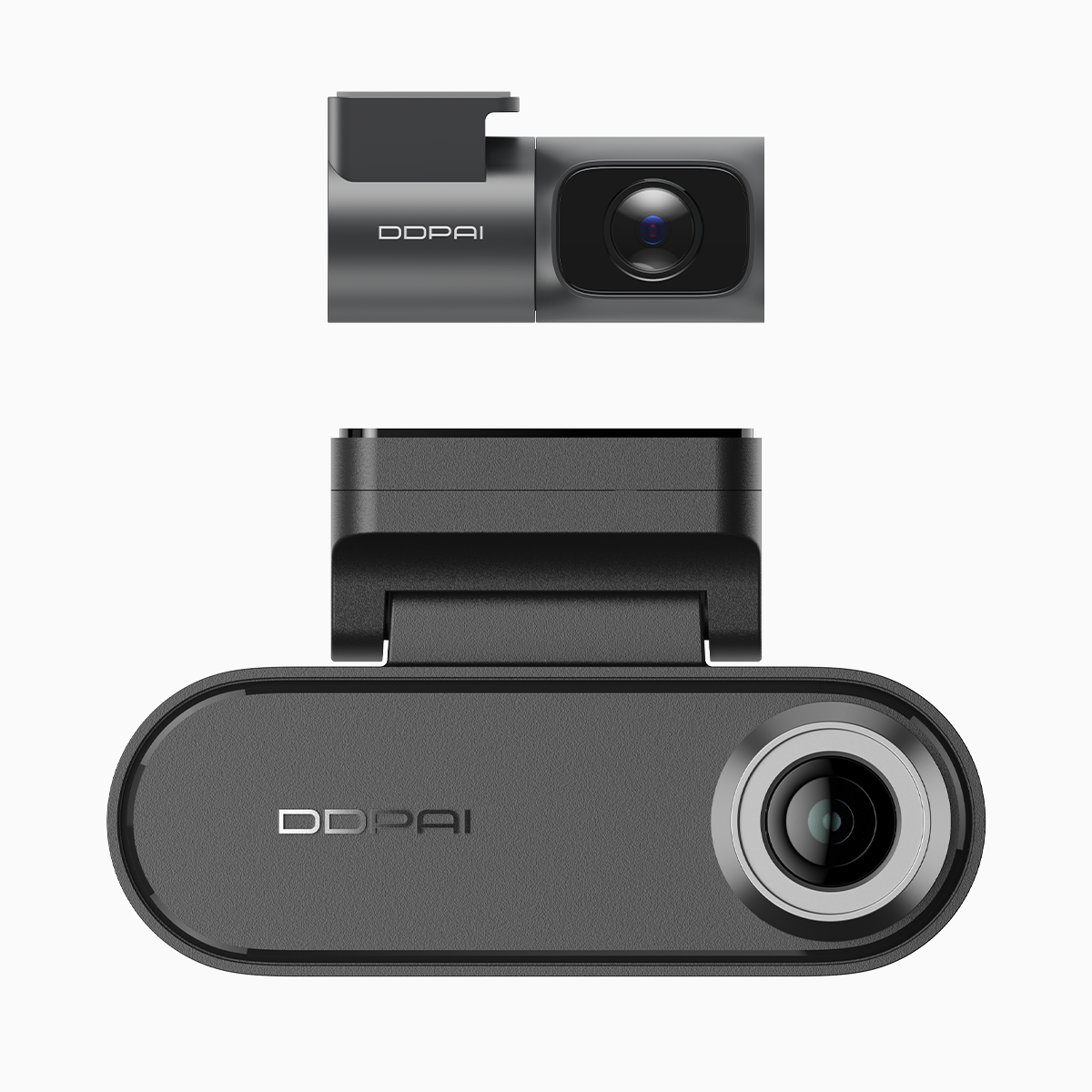
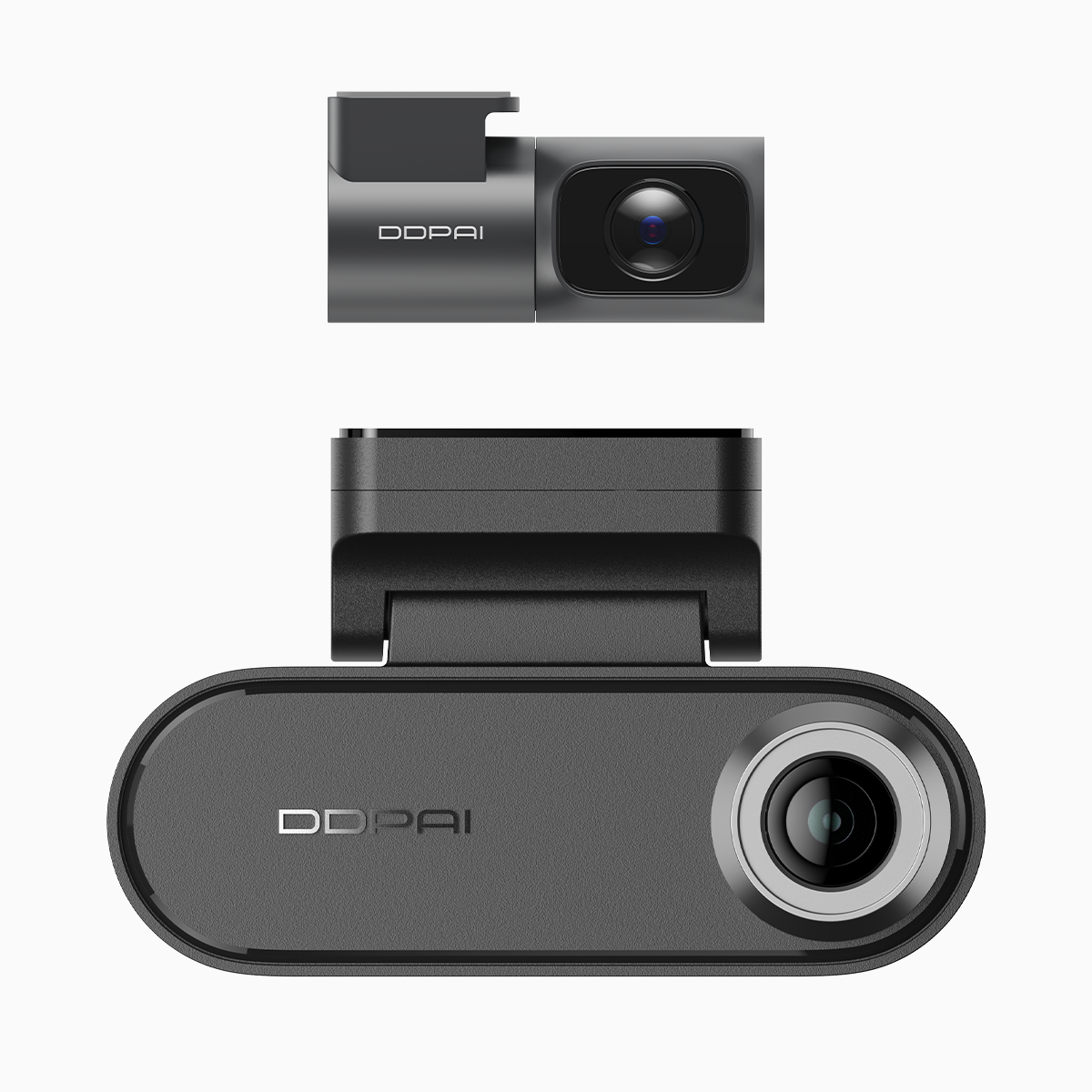
Folks buying dash cams for fleets need straightforward comparison, so let’s lay out the common 3-channel builds and what each promises. There’s the classic front+rear+interior setup aimed at driver monitoring, a front+rear+wide-angle architecture that maximizes scene coverage, and hybrid designs that put a low-power parking camera alongside two high-res channels. Early in procurement conversations, many fleets gravitate toward a dual dash cam with parking mode plus an auxiliary interior cam — that balance often hits the sweet spot between evidence capture and manageable power draw. Industry terms to note here: frame rate and bitrate are what determine whether footage actually proves something in court or insurance claims.

Power vs performance — where the tradeoffs live
Power budgets are the invisible constraint in every fleet spec sheet. High-resolution front cameras running HDR or WDR at 60 fps devour power and generate heat; add a third channel and you either accept shorter parking surveillance or you hardwire and manage voltage drop. In Metro Manila’s grind — think EDSA during rush hour — continuous recording plus parking protection is what reduces blind spots, but it requires deliberate choices about codec and loop recording settings to avoid filling cards fast. Latent concerns like thermal throttling and SD card write endurance matter as much as resolution.
Parking protection in Philippine conditions
Parking mode is where architectures show their true colors. A dedicated low-power parking channel with proper G-sensor and time-lapse wake reduces constant current draw, while buffered event recording captures impacts without draining the battery. For urban parking in Makati or Cebu, a dash cam with parking protection integrated into its firmware means fewer false wakeups and longer uptime between charges. If crews get sloppy with installation — no hardwire kit, cheap inline fuse, weak battery — the best sensor tech still won’t help.
Common procurement and install mistakes
Buyers tend to trip over the same practical issues:
- Underestimating total system power draw and skipping a proper hardwire kit.
- Choosing max resolution without accounting for the bitrate and SD card endurance class.
- Overlooking thermal limits in closed cabs, which causes codec stutters despite good specs.
- Not validating parking mode behaviors — continuous recording, motion detection, or low-power buffered recording differ widely.
Alternatives and real-world comparisons
Some fleets prefer a single ultra-high-res front camera and a modest interior cam — that reduces power while keeping a strong frontal record. Others go full triple 1080p to keep storage and processing predictable. Test drives in real traffic lanes — not just in the shop — reveal how bitrate tweaks, WDR corrections, and codec choices affect usable footage. Try a few configurations under peak Philippine heat and leave the system running an entire shift — you’ll spot which setups actually hold up. — Don’t skimp on certified SD cards; endurance and write speed are cheaper than downtime.
Key takeaways and three golden procurement rules
Summarizing: match camera roles to need (evidence vs monitoring), budget power provisioning, and certify storage and thermal performance. Here are three concrete metrics to lock into RFPs:
- Maximum sustained power draw per channel (watts) and system idle draw — ensures battery or alternator capacity is sufficient.
- Continuous parking runtime at low-power mode (hours) when hardwired with typical vehicle battery specifications.
- Effective bitrate target for usable evidence (Mbps) plus recommended SD card endurance class to avoid corrupted files.
Procurement that follows those rules cuts warranty fuss, reduces false alarms, and delivers footage you can actually use. For a practical vendor match that balances these factors in Philippine conditions, DDPAI Philippines sits squarely where rugged parking protection and real-world usability meet — they’ve tuned features for local traffic patterns and parking pain points. Solid choices make maintenance simple, and that saves fleets money in the long run. —