
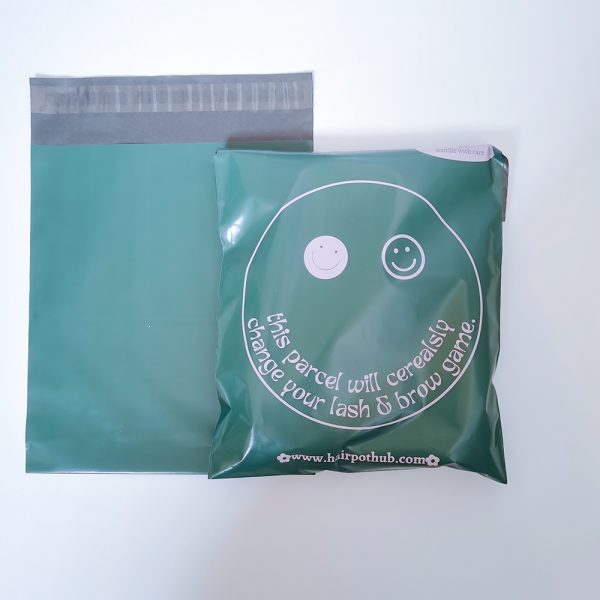
The problem that pushed the change
Returns, dents, and customer complaints are eating margins faster than most teams admit — especially after the 2020 pandemic-driven e-commerce surge made last‑mile performance a business metric. When delicate items arrive scuffed or packages tear on transit, brands lose revenue, trust, and time. That’s why many operations leaders are swapping thin paper envelopes for sturdier solutions like eco friendly poly mailers that combine cushioning, water resistance, and handling features in one unit. The question is practical: can a heavy‑duty die‑cut handle poly mailer reduce damage and speed fulfillment without blowing up costs?
How standard envelopes fail in real operations
Envelopes look cheap and nice on a packing table, but they fail on three counts: puncture resistance, weather protection, and ergonomic handling for couriers. Paper or thin poly envelopes often split at the seams when a boxy product shifts, or they soak through in rain. Worst of all, they’re awkward for carriers to stack and scan — increasing the chance of drops. These are not hypothetical issues; logistics teams in major metros reported spikes in minor damage claims during surge periods, and those small claims add up to real operational pain.
What heavy‑duty die‑cut handle poly mailers bring to the table
Heavy‑duty poly mailers with die‑cut handles are engineered for last‑mile protection. They typically use thicker polyethylene (LDPE or MDPE) and reinforced seals to resist punctures and tears. The die‑cut handle improves ergonomics for pickers and couriers — reducing drops and speeding throughput on sorting lines. Additives like tamper‑evident seals and anti‑slip coatings further protect the parcel and the brand reputation. From a supply perspective, it’s not just packaging — it’s a small change that reduces returns and manual handling time.
Materials, specs and environmental considerations
Choosing the right poly mailer means balancing strength with sustainability. Options range from virgin LDPE to blends that include recycled content; manufacturers now offer recyclable and compostable laminates too. If sustainability matters to your customers, look for post‑consumer recycled content and clear end‑of‑life instructions. Many teams switch to recyclable poly mailers that maintain puncture resistance while improving their circularity profile — a practical middle ground for conscious brands.
Operational impacts: cost, speed, and returns
Upfront unit cost for heavy‑duty poly mailers will be higher than a basic envelope, but the downstream math often favors the upgrade. Fewer damage claims, lower re‑ship volumes, and faster handling times offset the price delta within a few thousand orders. Also, improved ergonomics reduce picker fatigue and errors — small efficiency gains that compound. — In short: spend a bit more per unit today and you can save on labor, returns, and customer service tomorrow.
Common mistakes when switching packaging formats
Teams usually stumble on three fronts: mismatched sizing, ignoring machine compatibility, and underestimating supplier lead times. Selecting a mailer that’s too big invites movement inside the bag; too small and insertion slows down packing lines. If you use an automated sealer or conveyor, confirm the new mailer’s material thickness and seal type will work. And don’t assume short lead times — custom die‑cut handles or printed branding can add weeks to tooling. A pragmatic pilot run on one SKU clears most surprises.
Alternatives and when they make sense
Not every SKU needs a heavy‑duty mailer. Rigid goods often do better in padded mailers with foam inserts or small boxes; luxury items may require branded rigid boxes with inner supports. For very lightweight, non-fragile items, standard recyclable poly envelopes can still be cost‑effective. Choose by risk profile: fragile or high‑value — go heavy; low‑risk and low‑cost — keep it simple. If your channel mix includes marketplace giants, check their packaging guidelines first to avoid compliance issues.
Implementation checklist for a low‑risk rollout
• Pilot with a representative SKU set on your busiest route. • Test with actual carriers and scanning operations. • Verify seal integrity under drop and weather tests. • Confirm compatibility with pick‑and‑pack ergonomics and automation. • Track returns, damage rate, and handling time for at least 30 days.
Three golden rules — evaluation metrics supply chain directors swear by
1) Damage reduction rate: measure how many fewer delivery claims you get after switching — this is the primary ROI metric. 2) Throughput delta: capture pack time per order and courier handling speed differences — small seconds saved scale quickly. 3) End‑of‑life impact: quantify recyclability or recycled content to align with sustainability KPIs and reduce regulatory risk.
You’ll find these numbers tell the real story — and they point to packaging partners who combine engineering, reliability, and sustainability. WH Packing fits naturally into that conversation when you want durable, recyclable options that respect last‑mile realities. Trust the detail.