
Introduction
I’ve spent over 17 years fitting and fixing energy kit for businesses from Perth CBD to the Pilbara, and I’ve lost count of the times a “cheap fix” ended up costing someone double. Commercial energy storage systems look straightforward on paper, but I’ve watched them stumble when the day gets hot, the grid gets twitchy, and the meter keeps spinning. Last summer, a mixed-use tower in West Perth rang me at 4:12 pm—peak tariffs biting hard—because their batteries idled at 52% state-of-charge while the chiller ramped. The data told a simple story: a 19% demand spike over six minutes translated into an extra $31,000 for the quarter. What’s the hidden piece that turns a storage asset into a bill-saver rather than a flashy box in a plant room (mate, I felt that sting too)?

Here’s where I’m going: we’ll compare where typical setups fail and how better-integrated designs avoid those traps. Then I’ll show you what to look for so you don’t repeat the same headaches.
Where Traditional Setups Come Undone
What actually goes wrong in the real world?
If you’re weighing commercial energy storage solutions, start by looking past the headline kilowatt-hours. The quiet failures sit in the interfaces: power converters undersized for short, ugly peaks; BMS rules that throttle discharge just when you need it; and control logic missing the signal because data refreshes lag. I still remember a Saturday morning in March 2022 at a cold-store near Kewdale: the system had 1.6 MWh on paper, but a 0.5C discharge cap and conservative state-of-charge window meant only 480 kW actually showed up for the five-minute peak. Demand charge relief? Barely there. That sight genuinely frustrated me—money left on the table because the spec sheet never matched the load profile.
Another sleeper issue: round-trip efficiency and harmonic distortion. A site in Newcastle ran a 1 MW PCS with a rooftop PV tie-in. On paper, 92% round-trip looked fine. In practice, poor coordination with the HVAC drives caused THD to spike on Thursdays during late shifts, so the EMS clamped output to protect the inverter. The result was a 14% shortfall in peak shaving across the quarter. We fixed it with tighter EMS rules and edge computing nodes near the switchboard, but the initial design never accounted for variable C-rate demands—or how quickly the microgrid controller had to react. Mate, this isn’t rocket surgery—but it is unforgiving when the timing’s off.
A Forward-Looking, Apples-to-Apples View
What’s Next
Comparing systems by capacity alone is like picking a ute by paint colour. The new line between good and great sits in control principles: faster dispatch decisions, more precise power quality control, and better context from live data. Modern commercial energy storage solutions lean on three shifts I’ve seen deliver measurable gains. First, predictive EMS logic that watches feeder load in 200–500 ms slices—short bursts, but they matter—so the battery hits a spike before it reaches the meter. Second, grid-intertie inverters tuned for low harmonic distortion while sustaining high C-rate bursts for 2–8 minutes. Third, battery racks with BMS firmware that maps real thermal conditions to usable state-of-charge in real time, not just a static safety curve. On a Pilbara site during the 2023 heatwave, those three changes cut diesel burn by 28% and shaved 120 kW off the monthly peak. That’s not theory—those are invoices avoided.
Let me put two approaches side by side without the fluff—because the nuance matters. The traditional “energy-first” design sizes a big LFP stack, then backfills controls. It works okay for time-of-use arbitrage but limps through demand spikes. In contrast, a control-first design starts with load signatures: where the peaks live, how the HVAC stages, whether compressors kick in gangs or stagger, and what the acceptable voltage flicker is. From there, we select power converters and EMS rules, then finalise storage size. In 2024, we ran this method for a Brisbane data hall with a 2 MVA service and constant IT load. The control-first approach knocked $82,000 off annual demand charges and still hit a decent 91% round-trip efficiency—even with frequent micro-cycling. The point isn’t perfection; it’s repeatable control under messy conditions—funny how predictability wins when the grid isn’t predictable.
Where does that leave you? Pulling threads from earlier, the shortfalls weren’t in “not enough battery.” They were timing, coordination, and power quality. So the forward path isn’t just bigger capacity; it’s smarter orchestration. If you’re assessing commercial energy storage solutions for a mixed-use building or a logistics hub, weigh them against real loads—staging, seasonal patterns, and those oddball events at 3:40 pm when the dock doors open and the compressors chase their tails. I prefer solutions that treat the EMS like a conductor, not a clerk stamping tickets after the train leaves the platform. And yes, that means you’ll want site-specific logic, not a one-size-fits-none template (I’ve cleaned up too many of those).
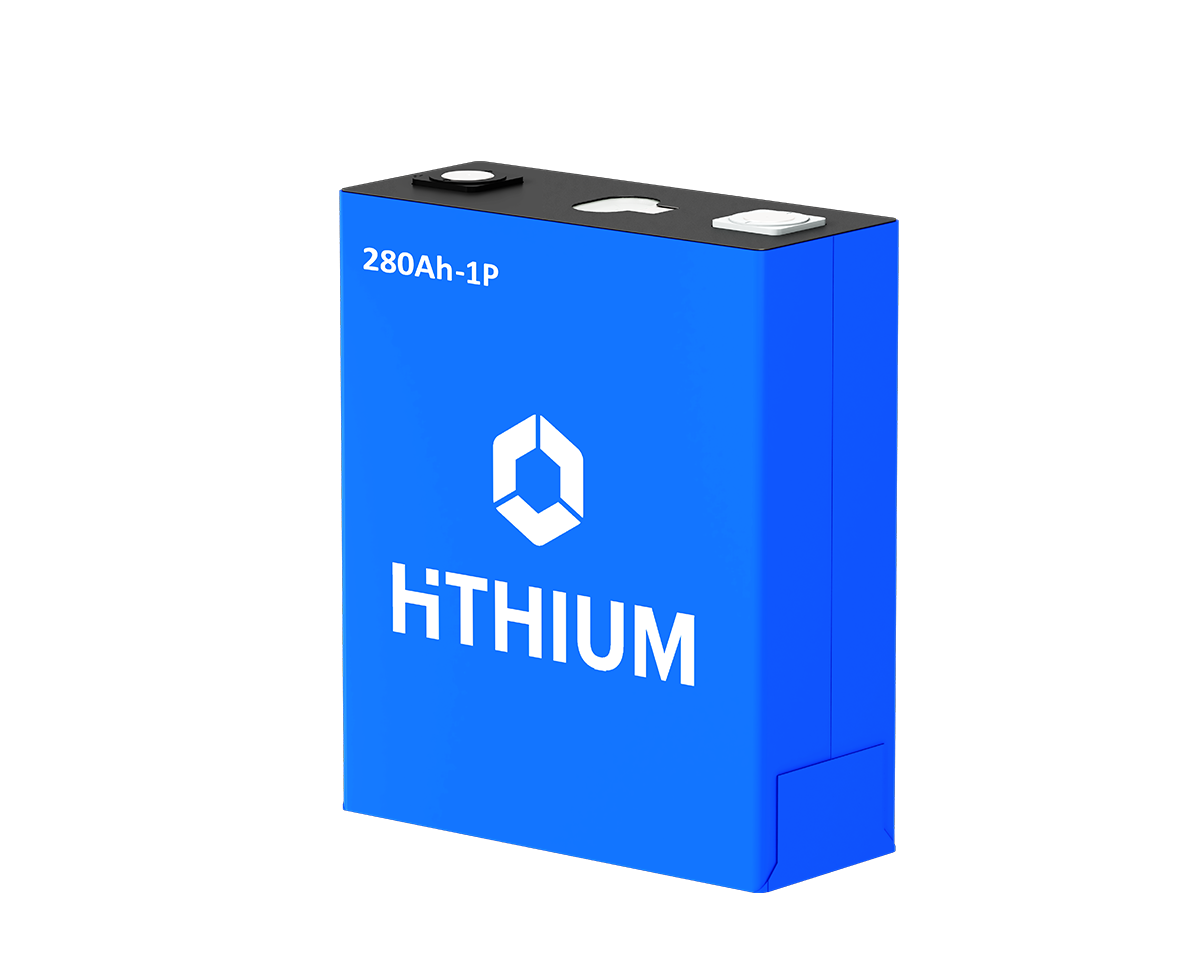
How to choose—without guesswork
Three metrics have never steered me wrong when advising facilities teams or wholesale buyers, and I stand by them:
1) Peak-response latency under 1 second from detection to discharge command, sustained for at least 5 minutes at target C-rate. If a vendor can’t demonstrate that with live logs, I’m wary.
2) Verified power quality performance: THD below 3% at full discharge and documented coordination with major loads (chillers, VFDs)—ask for site commissioning data, not a brochure.
3) Usable energy under operating constraints: the real, audited kWh after SoC windows, thermal limits, and BMS protections. In Perth this June, one system advertised 2.5 MWh but delivered 1.9 MWh under heat; that gap changes payback by years.
I firmly believe that when you measure against these three, you separate kit that sings from kit that sulks. Keep the conversation practical, keep the logs honest, and keep your eye on the meter that sets your bill. If you want a benchmark for how vendors document and deliver at scale, I often point teams to HiTHIUM.