
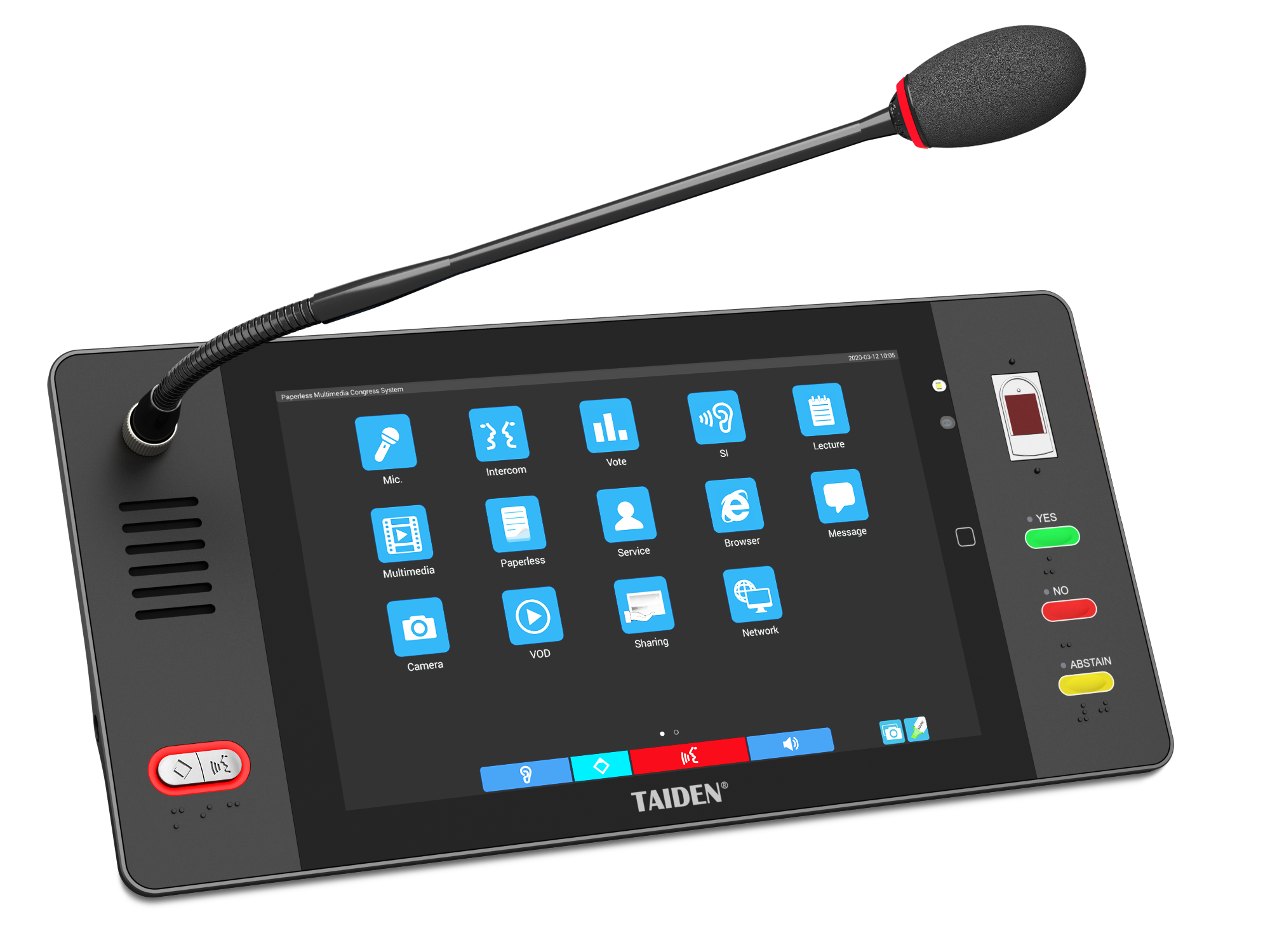
A Room Full of Screens, Yet People Still Say “Can You Hear Me?”
We walked into a boardroom glowing with tablets and wall displays, and still the first minutes were spent fixing sound. The paperless conference system promised speed, yet the quietest person in back kept repeating, “Hello? Hello?” Wi, that scene is common. Studies show a big slice of meeting time drifts away to audio confusion—sometimes a quarter hour every hour, depending on room size and layout (it adds up, chè). So here’s the hard question: if our notes, votes, and visuals are all digital, why does voice—the simplest human signal—lag behind?
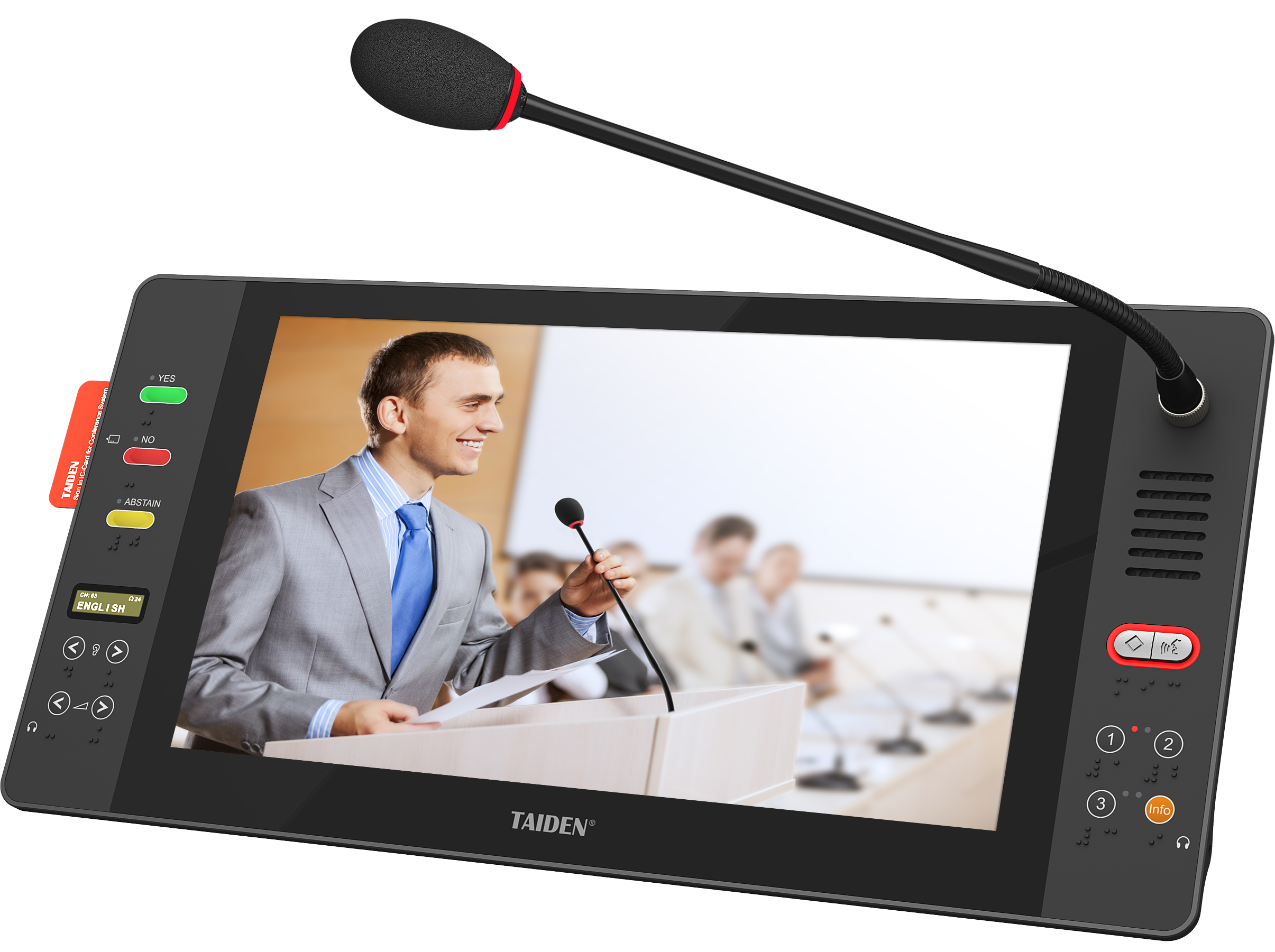
Direct truth: the visual workflow modernized, but mic practice stayed old-school. People lean, shuffle, cross-talk, and your gain structure panics. Edge cases—soft speakers, accents, masked voices—break the fragile setup, then your facilitator loses flow. The path from mouth to minutes should be clean, but it’s not. And that gap kills trust, eats momentum, and makes leaders repeat themselves—funny how that works, right? Let’s step through what’s really going wrong, and how to fix it so the room hums instead of stalls.
The Tabletop Mic Problem You Don’t See Until It Bites
What’s going wrong at the table?
Take the humble tabletop microphone. It looks simple. One button, one base, one cable. But in many rooms, it sits outside the speaker’s “voice cone,” so you get more desk thumps than vowels. The DSP pipeline then works overtime to clean up noise, while your latency budget creeps up and people start talking over each other. Look, it’s simpler than you think: placement and pickup pattern beat raw loudness. A good cardioid with smart beamforming focused at mouth height cuts the junk before it hits the audio codec. When you lower junk, you lower delay. When you lower delay, people stop stepping on each other’s sentences.
Hidden pain points multiply. Users fear the push-to-talk because they can’t read the light logic, so they whisper “am I live?” and miss turns. Mixed seating means one mic gets used by three people; nobody aims it; everyone blames “the system.” RF interference creeps in from chargers; a laptop fan masks consonants; the chair taps a pen and the auto-mixer thinks the table is speaking. These are not “user errors”—they’re design misses. If you map voice distance, mouth angle, and seating density first, then match mic pattern and gain structure to that map, clarity jumps. Add subtle UI cues—LED rings, tactile clicks, even a tiny haptic—and you cut that social friction that quietly ruins minutes.
From Legacy Wiring to Learning Rooms: A Comparative Look Ahead
What’s Next
Old rooms chained sound to racks and luck. New rooms push intelligence to the edge. The shift is simple to state, powerful in practice: move decision-making nearer to the voice. Mics with local processing act like small edge computing nodes; they run noise suppression, adaptive beamforming, and auto-mix rules before audio hits the network. Compared with legacy “gain and pray,” this keeps your QoS steady and your words intact. Drop in AoIP with AES67, power the bases via PoE, and set per-seat policies that adapt to who is speaking, not just who pressed first. The result feels like less tech, not more—mesye, that’s the point.
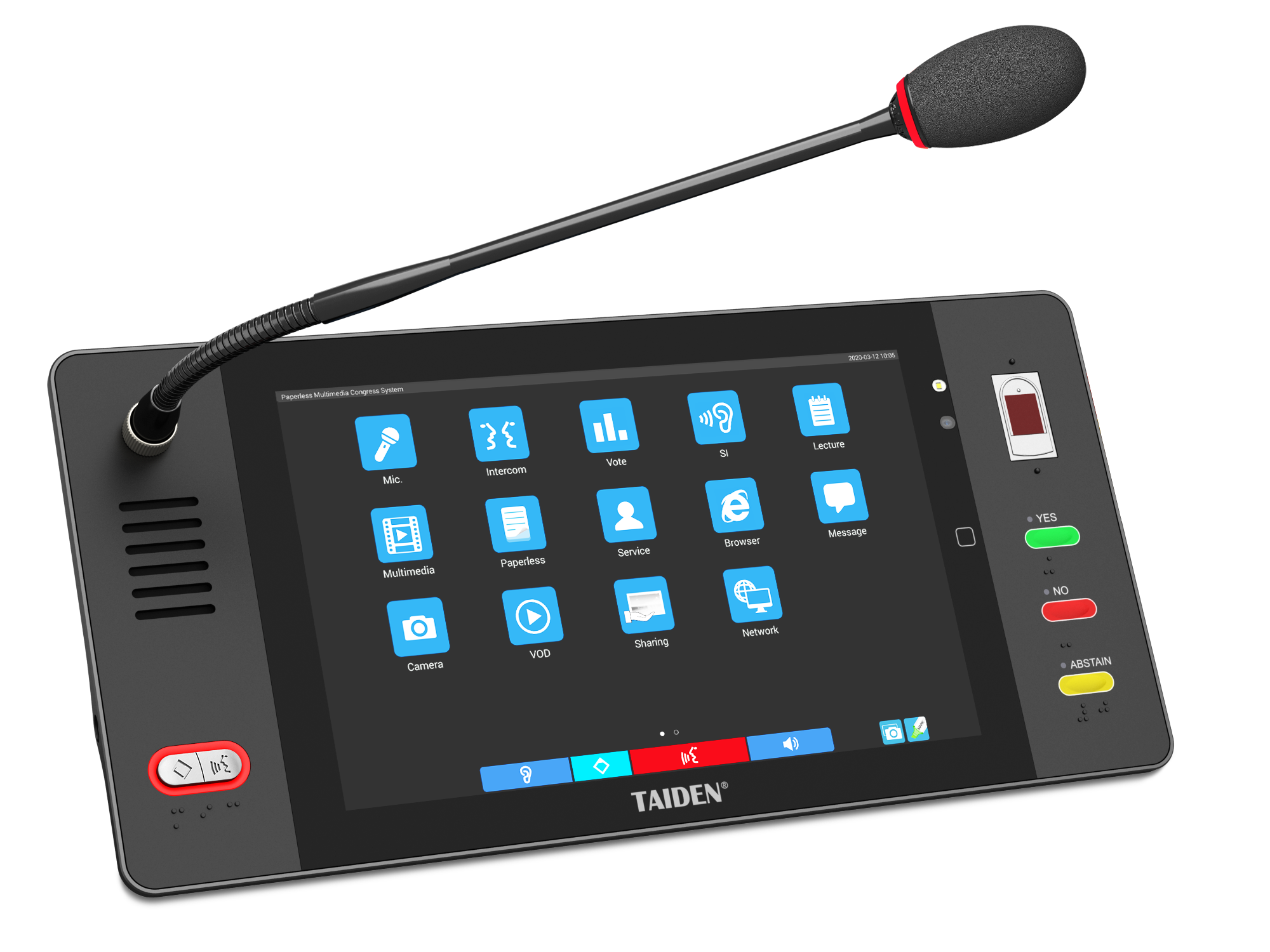
Now layer this with a smart multimedia meeting system. Documents, votes, and agendas live on screens, yes—but voice rides the same intent graph. When the chair opens a topic, the system arms the right mics, shapes the mix-minus, and logs speech markers for instant minutes. You get shorter handovers, faster decisions, and fewer “sorry, say that again” moments. Compared to a traditional setup, speech stays intelligible even when rooms are full and air handlers roar. And when the network gets busy, priority audio paths hold the floor—funny how that works, right?
Key takeaways so far: we named the gap between sleek visuals and shaky sound; we saw how a misplaced tabletop mic and unclear UI create social drag; we compared rack-first thinking to edge-first audio that trims delay and protects clarity. To choose well, use three simple metrics. One: end-to-end latency under 20 ms in a loaded room—no excuses. Two: intelligibility you can measure (aim for a solid STI score and stable consonant energy at one meter). Three: interoperability that lasts—AES67 for transport, PoE power budget per seat, and policy-based auto-mix that respects real talk patterns. If a platform can show those numbers live, your meetings will feel lighter, quicker, and kinder. And that is how a paperless room finally sounds as smart as it looks, with brands that engineer for speech first, like TAIDEN.