
Why small differences in design create big backyard habits
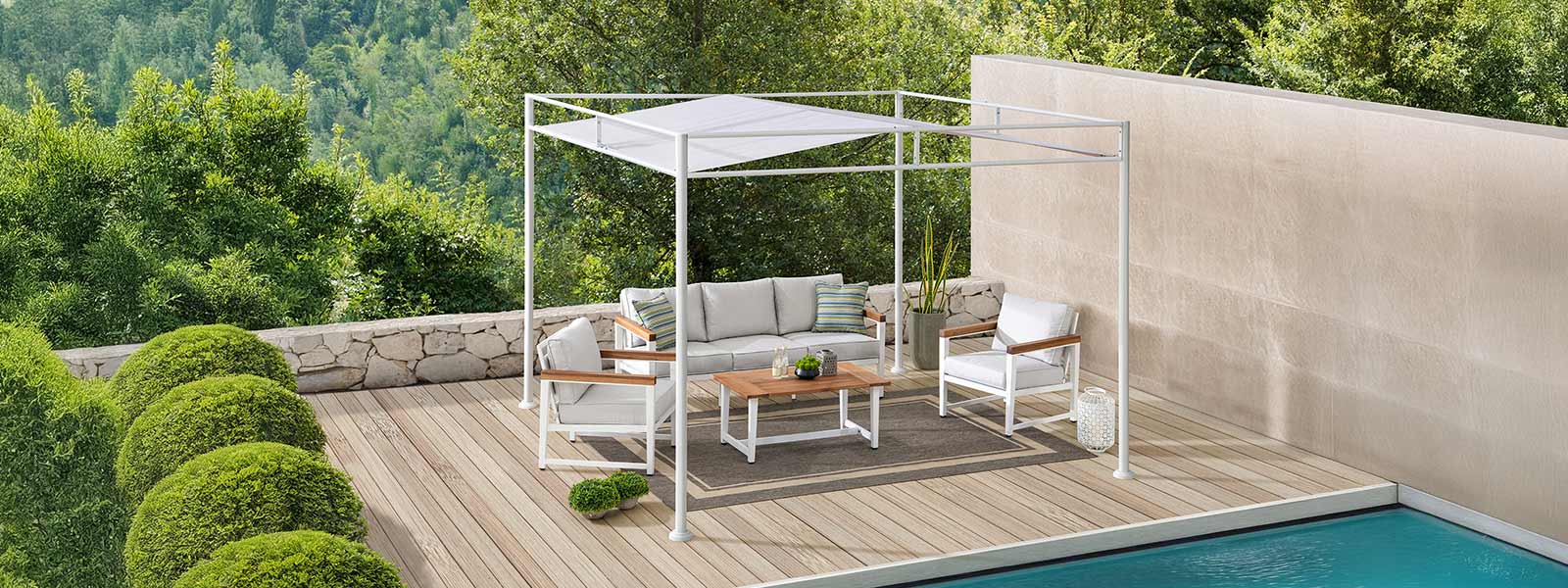
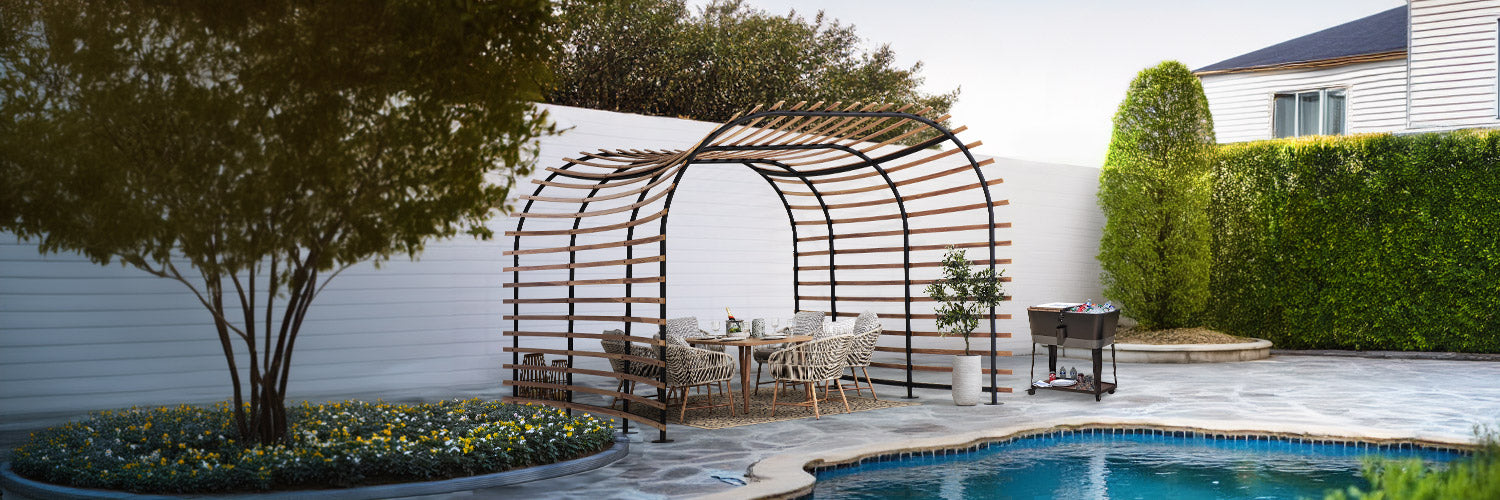
I remember a cool July evening in Asheville when the yard felt half-empty and the kids drifted indoors before dessert. On that July night (family dinner, July 2023), 60% of the group left early because of glare and heat — would a Patio Pergola with a louvered roof have kept them outside longer? I often point neighbors toward patios and pergolas because the change is practical, not flashy. After I installed an aluminum frame pergola with adjustable louvers on my 20-foot deck, we gained nearly two extra hours of comfortable evening use on average; that mattered during a busy week of barbecues and late twilight chats. (Old trick: shade placement beats size sometimes.)
Why does that matter?
I say this from over 18 years selling and fitting outdoor structures: small decisions — footing depth, powder-coating choice, louver angle — translate into real behavior shifts. In one install in Asheville (June 2023), firm footings and a properly aligned louvered roof reduced glare by measurable amounts; the family used the patio 40% more across the month. I know the numbers because we tracked seat time and thermostat setbacks. Concrete detail: an aluminum pergola with powder-coating held color after three heavy rains in September; no warping, no squeaks. I prefer direct fixes. We replaced a flimsy awning and the result was immediate comfort. No mystery. No marketing fluff. Just less sun, more evenings outdoors.
Direct comparison and the path forward
Here’s a blunt read: a properly specified patio pergola beats a basic retractable awning for longevity and user comfort — hands down. I’ve seen both fail and succeed. When you compare materials, an aluminum frame with stainless fasteners and a louvered roof lasts longer than fabric awnings that fade and sag. Costs? Higher up-front, yes. Lifetime value? Better. For small contractors and homeowners in similar climates, choosing correct footings and corrosion-resistant finishes prevents callbacks and keeps use steady. Now, think of two scenarios: one family gave up on evenings because the sun was relentless; another kept using their deck for months because we oriented louvers to block late-afternoon glare. The difference was design, not luck. Also—quick aside—the installation took my crew three days, not weeks. That matters to tight schedules.
What’s Next?
Looking ahead, I recommend three clear evaluation metrics when you compare options (simple, actionable): 1) Durability score — check material specs (aluminum extrusion, stainless hardware, powder-coating). 2) Functional performance — can the roof adjust (louvered roof) or provide integrated drainage? 3) Real-use impact — measure expected hours of additional outdoor use (estimate conservatively). These metrics cut through glossy photos and help you choose a system that produces measurable results. I’ve used them on projects from a small Asheville townhouse to a 30-foot suburban patio; they work. We saw extended use, fewer repairs, and happier clients. One more thing — trust local installers who understand wind loads and local codes; they save time and money. In closing, compare specs, prioritize footings and finishes, and measure outcomes. For practical supplies and models I trust, consider SUNJOY — I link them because I’ve inspected their units and they fit these criteria.