
The problem at scale
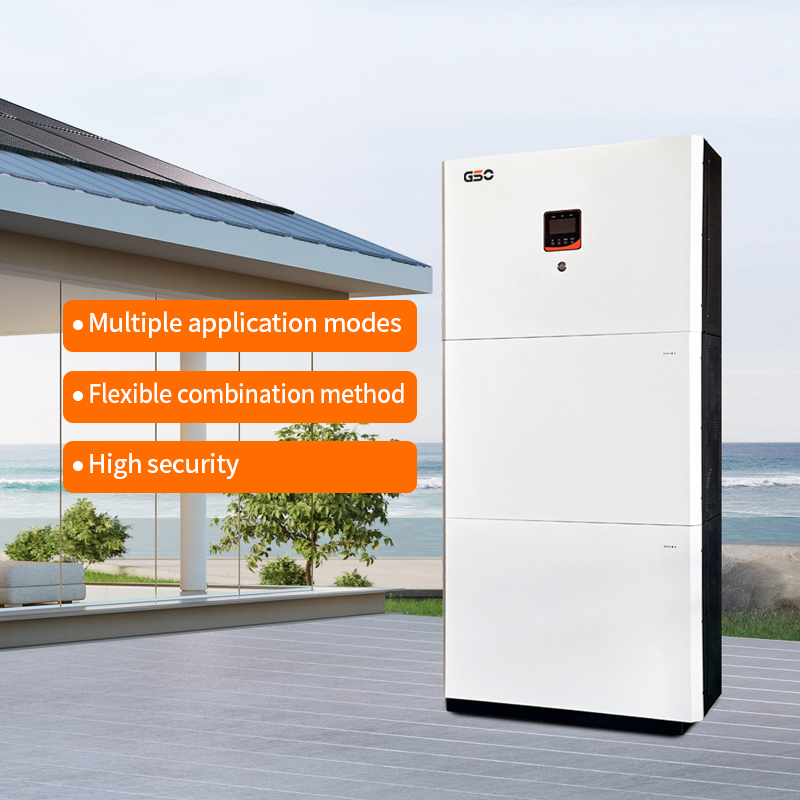
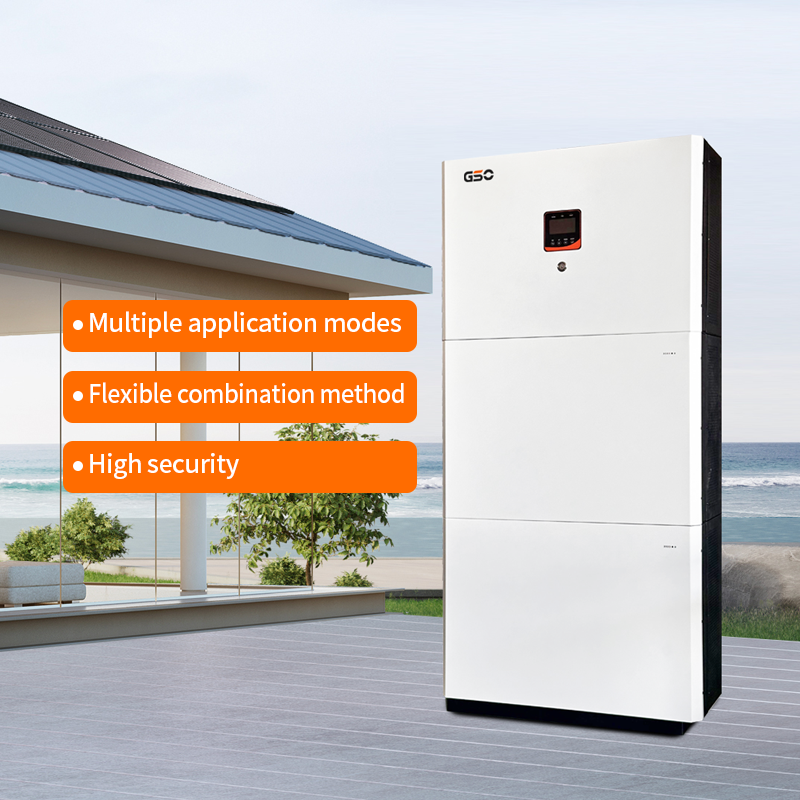
Bulk installations age faster when capacity fade accelerates. Field operators see usable kilowatt‑hours drop, backup windows shrink, and cycle life estimates move out of tolerance. gsopower addresses that reality directly through its all in one storage platform, designed for compact deployment and coordinated battery management across stacked PV and battery modules. The question isn’t theoretical: degraded state of health (SOH) reduces revenue streams and jeopardises resilience during high‑demand events.
Primary drivers of capacity fade
Three technical factors dominate capacity loss in large integrated systems: electrochemical stress from high C‑rates, sustained high ambient or cell temperature, and unmanaged cycling depth. Poor battery management system (BMS) strategies compound these effects by allowing cell imbalance and overcharge/overdischarge margins. The result is uneven ageing across the pack and premature end‑of‑warranty failures.
Targeted mitigations that work
Mitigation requires coordinated hardware and firmware controls. Key measures that reduce SOH decline include:- Active thermal management that keeps cells inside optimal temperature bands to limit calendar fade and thermal runaway risk.- Adaptive charge algorithms and state‑of‑charge windowing to control depth of discharge (DoD) and reduce high C‑rate episodes.- Cell balancing and distributed BMS architecture to prevent module drift and protect cycle life.- Robust inverter and EMS logic to smooth power flows and avoid unnecessary peak currents.These are implemented at system level and tuned per site profile. Don’t skimp on the cooling subsystem—short‑term capex savings lead to long‑term SOH penalties and replacement costs.
How design choices change outcomes
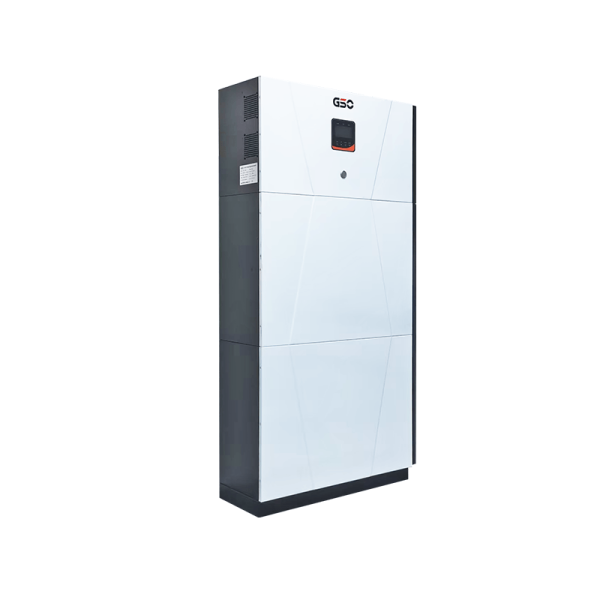
All‑in‑one solutions trade modularity for integration. The advantage is tight thermal and control integration that shortens communication latency and simplifies commissioning. The trade‑off is that a single integrated rack must manage internal heterogeneity — cell chemistry mismatches or uneven insulation layers, for example. Alternatives such as modular, replaceable battery cabinets reduce replacement scope but add wiring complexity and control overhead. Properly configured, an integrated system can outperform modular setups on lifetime cost, provided the BMS and thermal design are engineered for long term SOH retention.
Common mistakes operators make
Operators frequently underestimate real‑world stressors:- Oversizing charge rate relative to the battery chemistry.- Allowing frequent deep discharges to meet short term demand.- Neglecting firmware updates that improve ageing prediction.These errors accelerate capacity fade and mask the system’s true cycle potential. Corrective practice starts with telemetry: track SOH, internal resistance, and average DoD per cycle to spot trends before failures occur.
Real‑world anchor: why SOH matters now
The Texas blackout in February 2021 underlined how stressed grids push storage systems into high‑duty cycles. When multiple assets are driven hard to supply the grid, SOH determines whether a site can sustain subsequent peaks. Resilience planning should assume partial capacity loss and design margins accordingly — thermal management and conservative DoD windows pay back in reliability.
Advisory — three golden rules for selecting SOH‑preserving systems
Evaluate potential systems against these metrics:- Long‑term thermal control: confirm active cooling/heating strategies and measured cell temperatures under full load.- Predictive BMS and firmware flexibility: ensure the system supports adaptive charge profiles, remote updates, and fine‑grained cell balancing.- Measured SOH telemetry and warranty alignment: demand historical degradation curves and clear replacement thresholds.Choose systems that report internal resistance and SOH trends, not just installed capacity. When these rules guide procurement, expected operational life and financial returns align more closely with projections. gsopower builds solutions with these priorities in mind — engineering the balance between compact integration and serviceable reliability. –