
Introduction — why one failed run taught us more than a dashboard
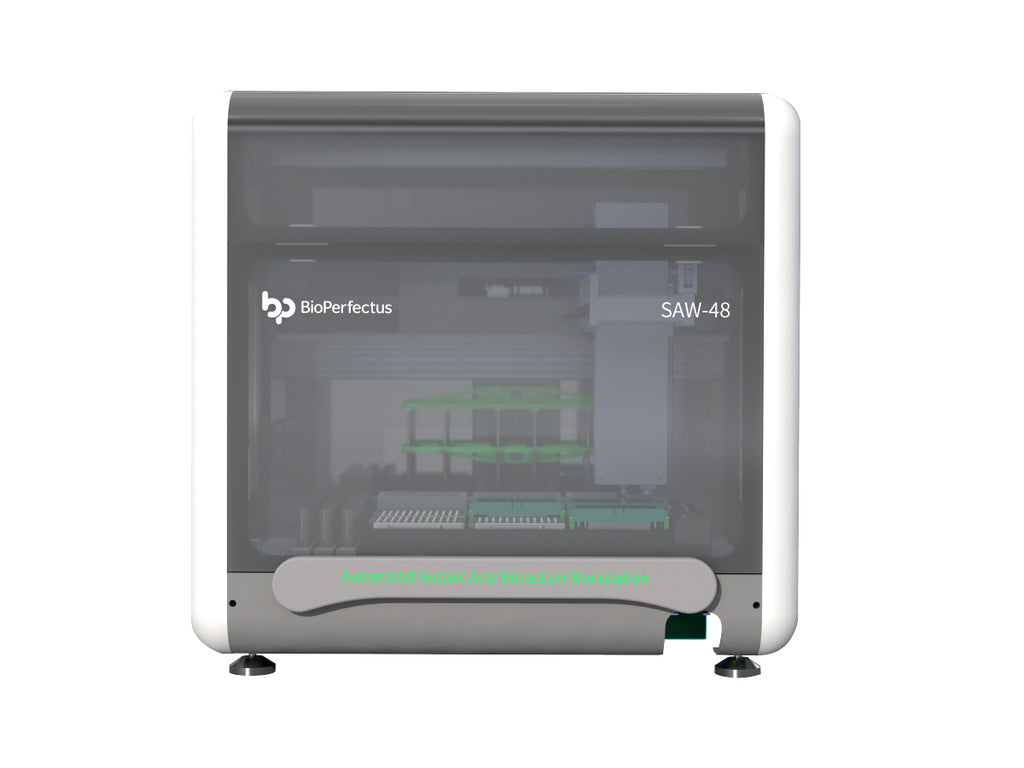
Have you ever watched a full plate of samples sit idle while an assay waits for a single failed step? I have. That moment — quiet but sharp — reveals how little margin we actually have in routine workflows. The automated nucleic acid extraction workstation sits at the center of that scene; it promises speed, but real life throws variability at it daily (temperature swings, supply hiccups). Recent lab logs I reviewed showed a 12% re-run rate across a month in a medium-sized facility — enough to cost time, morale, and reagent budgets. So I keep asking: what small habits would make the biggest difference in reliability and throughput?
We’ll walk through practical fixes, common blind spots, and how to evaluate upgrades. I want this to read like a field notebook rather than a manual. Expect clear examples, a few blunt admissions, and suggestions you can try tomorrow — no buzzwords, just what works. — Ready? Let’s move into the nuts and bolts.
Part 2 — Where traditional systems stumble (and what they hide)
nucleic acid workstation users often believe the machine is the whole answer. I’ve seen teams rely on hardware to compensate for weak sample prep, and that’s a dangerous assumption. Low-quality input, inconsistent lysis buffer volumes, and poor tip handling create cascading errors. Magnetic beads will only bind what’s available; if the sample is poorly mixed or the buffer ratio is off, yield drops and PCR fails. Throughput numbers look great on a spec sheet — until you factor in repeat runs and manual interventions. Look, it’s simpler than you think: the machine can automate steps, but it cannot correct a sloppy upstream process.
Another hidden pain point is error handling. Many systems log failures, but the log is only useful if someone reads it and acts. I’ve watched teams ignore warning flags until a major batch was ruined. That’s not blame — it’s process design. You need fail-forward habits: quick root-cause checks after a warning, regular calibration of pipetting heads, and scheduled reagent quality checks. These steps cost little time but save far more. Trust me, instituting them felt like trading chaos for rhythm.
Why do these gaps persist?
Because the technology looks complete on paper, and humans (understandably) deprioritize the mundane checks. We tell ourselves the robot will compensate. It rarely does.
Part 3 — Principles for smarter, future-proof workflows
Now let’s look ahead with a focus on technology principles that actually help. I’m not selling a product; I’m describing what I now insist on when evaluating upgrades. First: modularity. Systems designed with modular automation protocol components let you test and swap steps without full downtime. Second: transparent metrics. Real-time error analytics and simple dashboards make behaviors visible — and visible problems get fixed. Third: compatibility with common consumables. That reduces supply-chain headaches and prevents sudden halts. These principles guide both purchase decisions and daily habits. — funny how that works, right?
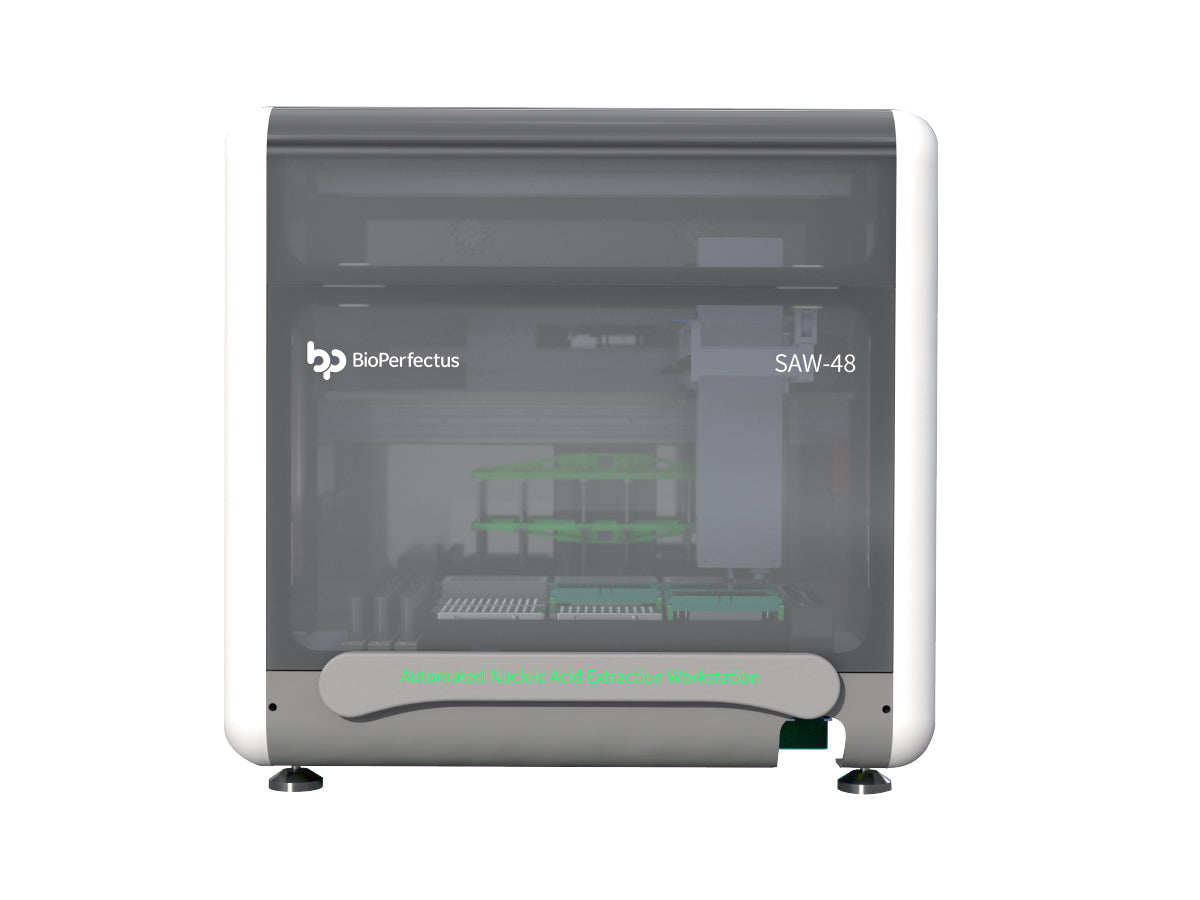
For a concrete framing: a well-implemented setup pairs a reliable nucleic acid workstation with clear SOPs for sample prep, routine calibration of the robotic arm, and simple acceptance tests for each reagent lot. I’ve used this checklist in several labs and seen re-run rates drop meaningfully; staff stress drops too. The result is not just faster processing but steadier, more predictable outcomes — the kind you can plan around.
What to evaluate next
When you compare options, keep three evaluation metrics top of mind: reliability under real load (not just best-case throughput), ease of maintenance, and clarity of error reporting. I’ll be blunt: specs and marketing slides rarely tell the whole story. Visit a site with the machine under real conditions or ask for a trial with your own samples. If you do that, you’ll see failures and fixes in context — and you’ll learn faster than any demo could teach you.
Closing advice and actionable takeaways
We’ve covered the scene, the hidden faults, and practical principles to move forward. My short list for any team: 1) standardize sample prep and hold teams accountable for input quality; 2) automate monitoring — but also assign a human to review alerts daily; 3) insist on modular, serviceable systems so small failures don’t force big downtime. Those three steps are measurable and— yes — humble. They won’t feel glamorous, but they work.
I believe labs that adopt these habits gain more than efficiency; they gain trust in their data and calm in their schedules. I’ve watched panic transitions into predictability — and that changes how people plan experiments and nights off. For practical solutions and systems that align with these principles, check resources from BPLabLine.