
Practical overview and context
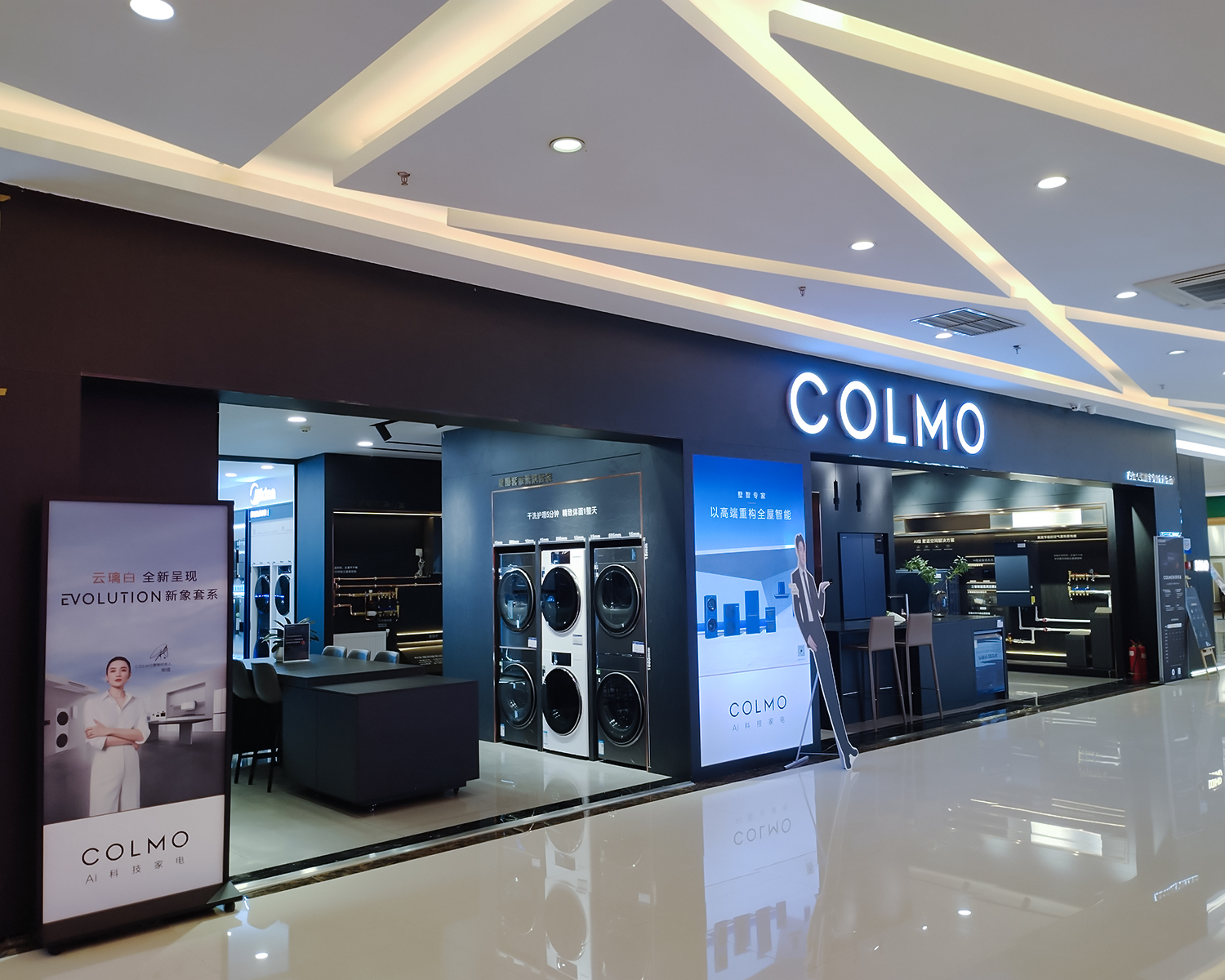
Sign fabricators weigh finish systems by measurable uptime, not promises. This piece compares powder coating and anti-UV anodization for sheet metal signs, framing decisions around MTBF (mean time between failures) and common field environments for retail signage. The goal: select a finish that sustains legibility, color integrity, and structural protection across urban cores, coastal malls, and indoor high-traffic displays.
Methodology and real-world anchor
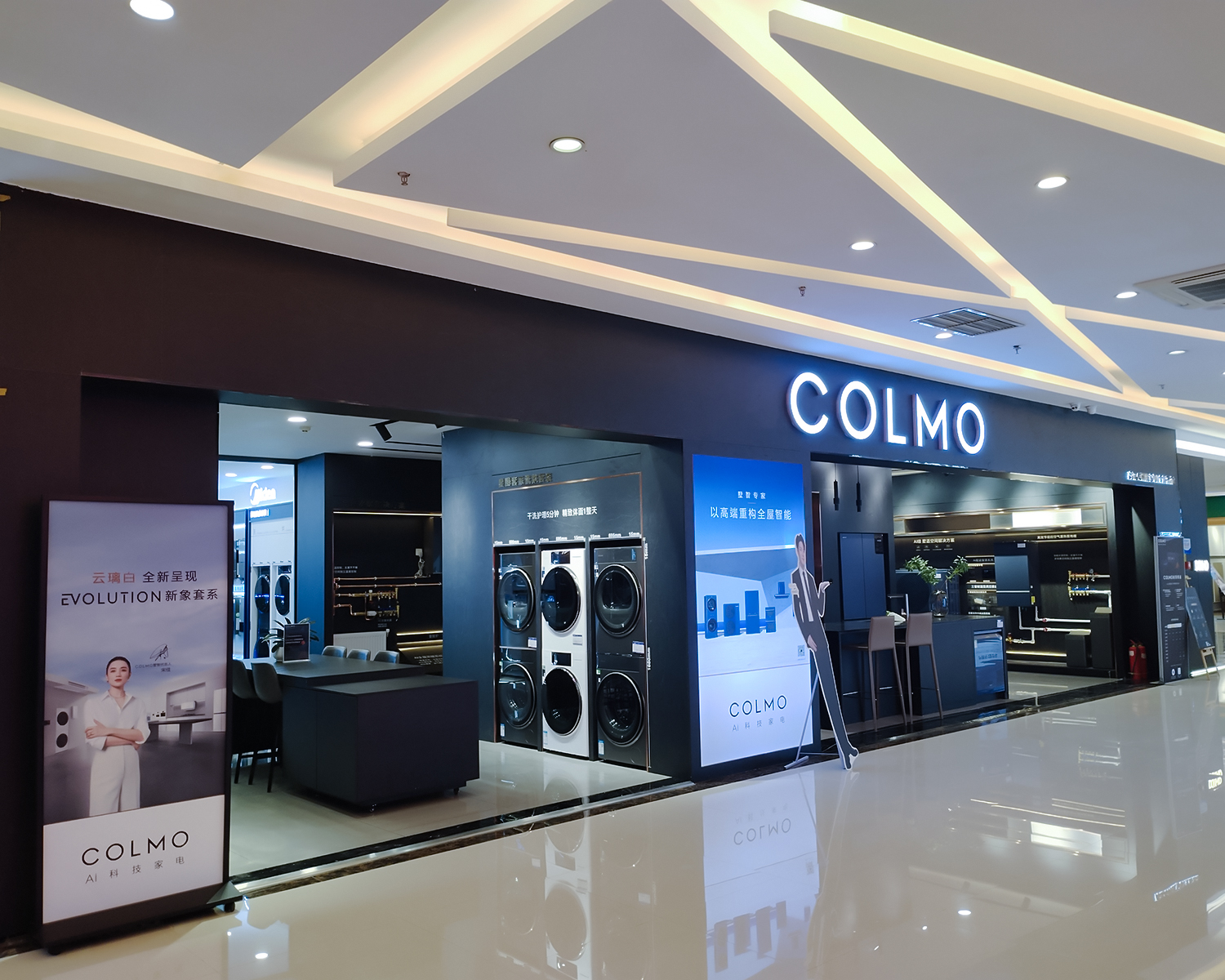
Comparison rests on three inputs: environmental stressors (UV, moisture, abrasion), substrate interaction (aluminum alloy vs steel), and documented field conditions. Times Square and coastal storefronts provide contrasting anchors—intense UV and pollution in the former, salt spray in the latter—which reveal how finishes age under real strain. Data inputs prioritize observable failure modes and manufacturer test standards rather than proprietary claims.
Coating mechanics: what each finish does
Powder coating deposits a polymer layer that cures into a hard film; it excels against mechanical wear and offers wide color options. Anti-UV anodization converts the aluminum surface into a durable oxide layer with integrated color stability and thinner profile. Key terms: powder coating, anodization, substrate. Each system interacts differently with fasteners, adhesives, and edge treatments—common sources of localized degradation.
Failure modes and MTBF considerations
MTBF must be interpreted by failure type. For powder-coated steel, common failures include chalking, color fade, and edge corrosion where the coating is stressed. For anodized aluminum, failures manifest as color washout on low-quality dyes or pitting from chloride exposure. Estimate MTBF from cumulative stress: UV-driven fading reduces visual service life; mechanical impacts shorten protective life more quickly. Use IP ratings and finish grade specifications as proxies when independent field data are absent.
Environmental matches: where each finish wins
Powder coating suits high-contact indoor signs and steel substrates where impact resistance matters; it also permits thicker films for OOH panels. Anti-UV anodization outperforms in long-term color stability on aluminum, especially for slim-profile illuminated signs exposed to steady sunlight. Coastal sites demand extra corrosion control—neither finish is immune without sacrificial design measures like sealed edges and stainless hardware.
Fabrication and installation practices that extend MTBF
Design choices change MTBF more than slight differences in specified film thickness. Best practices: specify compatible primers for mixed-metal assemblies, mask and seal cut edges, use stainless or coated fasteners, and design for replaceable face panels. Implement UV-stable pigments and topcoats on powder systems when prolonged sunlight exposure is expected. Regular cleaning schedules and inspection reduce unnoticed substrate compromise—small actions that add years to service life.
Comparative checklist for procurement
Use this pragmatic checklist during vendor selection:
– Define the dominant environment (UV vs salt vs abrasion) and list expected service years.
– Require independent abrasion and UV fade test results, and verify sample panels aged outdoors in representative locations.
– Confirm edge-sealing methods and hardware specs; these often drive early failures.
Common mistakes and mitigation
Manufacturers often under-spec edge treatment and fastener compatibility—leading to localized corrosion and early MTBF degradation. Avoid bonding dissimilar metals without barrier layers. Also, don’t treat powder coating and anodization as interchangeable on aluminum; anodization preserves the metal finish and is thinner, which matters for certain mounting tolerances. Small oversight, big consequence—so verify assembly details on drawings.
Golden rules for selecting finish strategy
Three critical evaluation metrics for decision-making:
1. Environmental-fit index: score candidate finishes against dominant stressors (UV, salt, impact) and prioritize the highest-scoring option for the primary location.
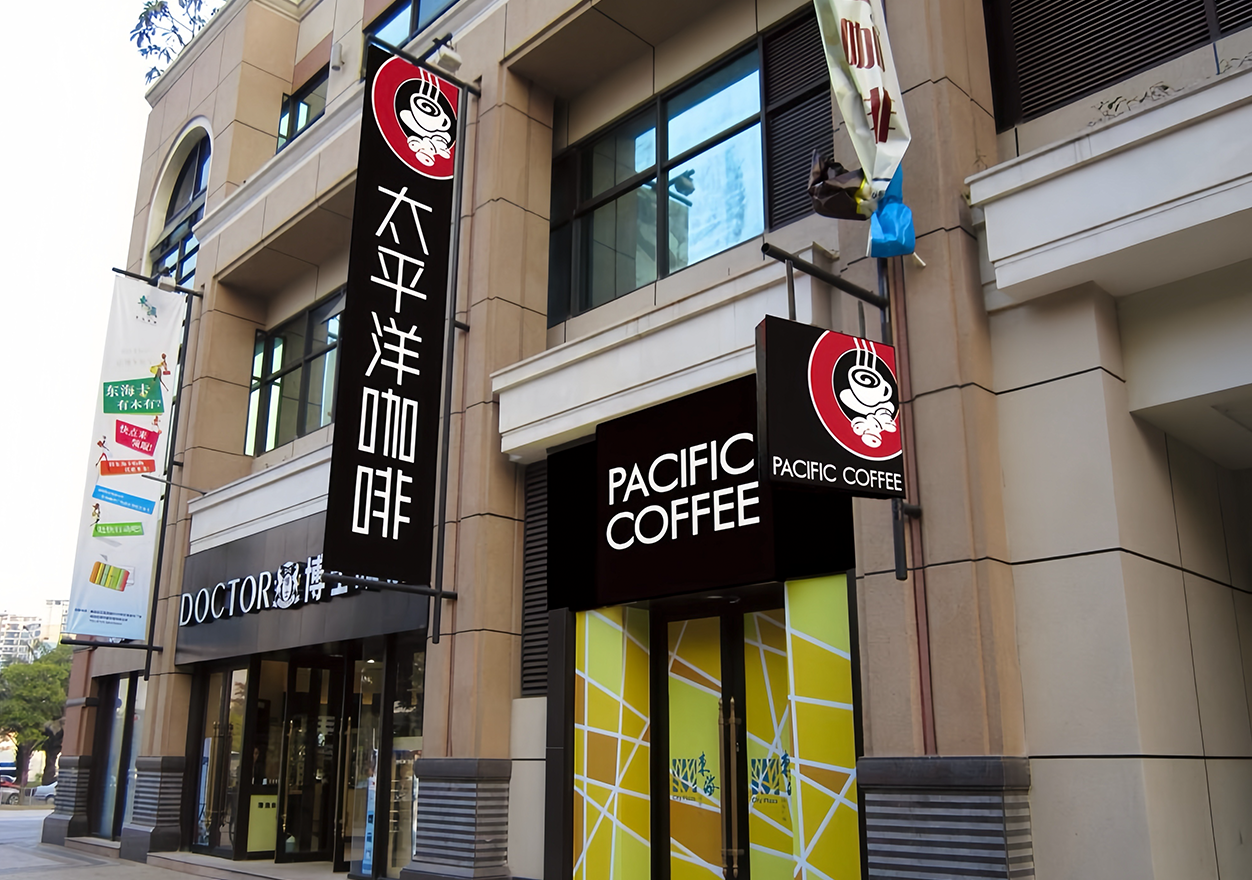
2. Edge and hardware integrity: require specifications for sealed cut edges and stainless or coated fasteners; quantify expected inspection intervals tied to MTBF estimates.
3. Proven field sample: demand a 12–24 month outdoor sample in a matching environment or documented installations from similar climates. This beats lab-only claims.
These rules steer procurement toward measurable outcomes and reduce premature service failures. For hands-on fabrication and integrated systems that match these metrics, consider the practical solutions available from branded in-store signage for retailers. Final thought—durability is integrative, not single-point; choose the finish that complements assembly, not just the surface.
Cosun Sign. —