
Introduction: A Technical Reality Check from the Field
I’ve spent over 18 years in residential and small commercial energy projects, and I still see the same avoidable mistakes. Residential energy storage systems promise calm during outages and control over bills. A home energy storage system solution can deliver that, but only if we choose with clear eyes. Picture a July afternoon in Phoenix last year: a client called after two short outages in one week, worried about a medication fridge and a pool pump. Here’s the data point that stuck—Arizona utilities logged more than 100 outage events that month, many under an hour, yet the costliest damage for homeowners came from voltage dips, not long blackouts (surge plus restart stress). The question I asked them—and ask you—is simple: are you sizing for real risks or for a vague idea of “more is safer”?
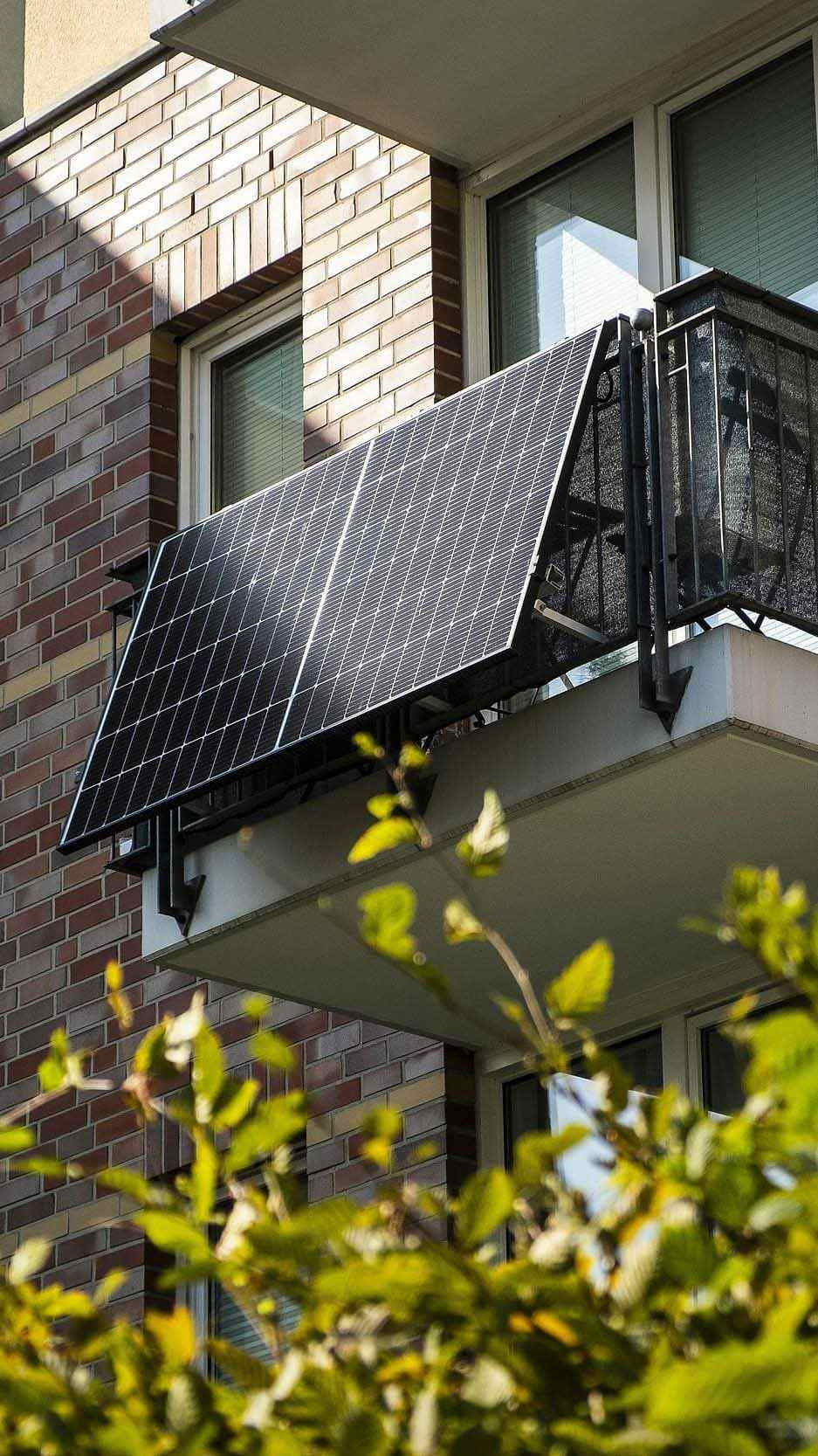
Let’s define terms so we’re not guessing. Capacity (kWh) keeps things running, but power (kW) keeps them starting; the inverter and power converters decide both the response speed and what your home can actually use at once. Round-trip efficiency matters when time-of-use tariffs shift costs by the hour. And during islanding events, the system’s battery management system (BMS) must protect the pack while still carrying priority loads. I aim this practical analysis at residential installers and detail-oriented homeowners who care about outcomes, not buzzwords. I prefer solutions that survive first contact with real life—because mine have to. Let’s separate what’s nice-to-have from what actually pays off.
Part 2: The Hidden Costs and Overlooked Habits That Sink Projects
Where do home setups go wrong?
Here’s the layer most folks miss: hidden user behavior. I vividly recall a Saturday morning in June 2022 in San Diego when a 13.5 kWh pack with a 5 kW hybrid inverter failed to keep a client’s basement dehumidifier and a 2-ton heat pump running together. On paper, it looked fine. In practice, the heat pump’s inrush current and a low state of charge (SoC) after an all-night EV charge clipped the system. The client then switched the inverter to “backup priority,” starving daily savings. The result was 38% less bill reduction than modeled over the next 60 days—real money gone. The flaw wasn’t the battery. It was the control mode and load discipline. Honestly, this bit is painless: set a fixed “critical loads” subpanel, cap EV charging during peak windows, and use a soft-start kit for older compressors.
The second trap is compatibility drift. AC-coupled batteries and rooftop microinverters can play nicely until you need fast transfer for sensitive loads. Some microinverters pause during grid loss; if your backup transfer switch is slow, your fridge and router reboot. That’s a nuisance, but for medical devices or home offices it’s a showstopper—been there, and yes, I’ve made this mistake. DC-coupled setups can capture more solar during outages, but they demand careful commissioning: confirm inverter firmware supports your panel string voltages and verify the C-rate allowed by the BMS so you don’t throttle discharge at the exact moment you need it. Add one more pain point: demand charges. In Denver last winter, a small clinic I support saw a $18/kW demand charge. They ran a space heater and two autoclaves for 15 minutes and paid for it all month. Peak shaving works if your control logic prioritizes the right loads at the right minute—otherwise, you’re just moving electrons without moving the bill. I firmly believe this is the make-or-break detail.
Part 3: Forward-Looking Choices—What Compares Well and Why
What’s Next
Let’s compare paths we can live with—not just admire on spec sheets. We piloted two configurations in January 2024 in Burlington, Vermont: (A) a 10 kWh DC-coupled system with a 6 kW inverter and automated critical-loads subpanel; (B) a 15 kWh AC-coupled add-on tied to existing microinverters, same home, same appliances, alternating weeks. Over 30 days of time-of-use rates and two short outages, System A saved 11% more on daily cycling due to higher round-trip efficiency and better solar capture during islanding. System B, with its larger buffer, handled a longer evening run without touching the grid—but transfer lag caused two short device resets (router and a NAS). Trade-offs matter. If you work from home and run sensitive gear, fast transfer and stable voltage carry more weight than a few extra kWh—I’ll be blunt, the smoother ride often beats the bigger tank.
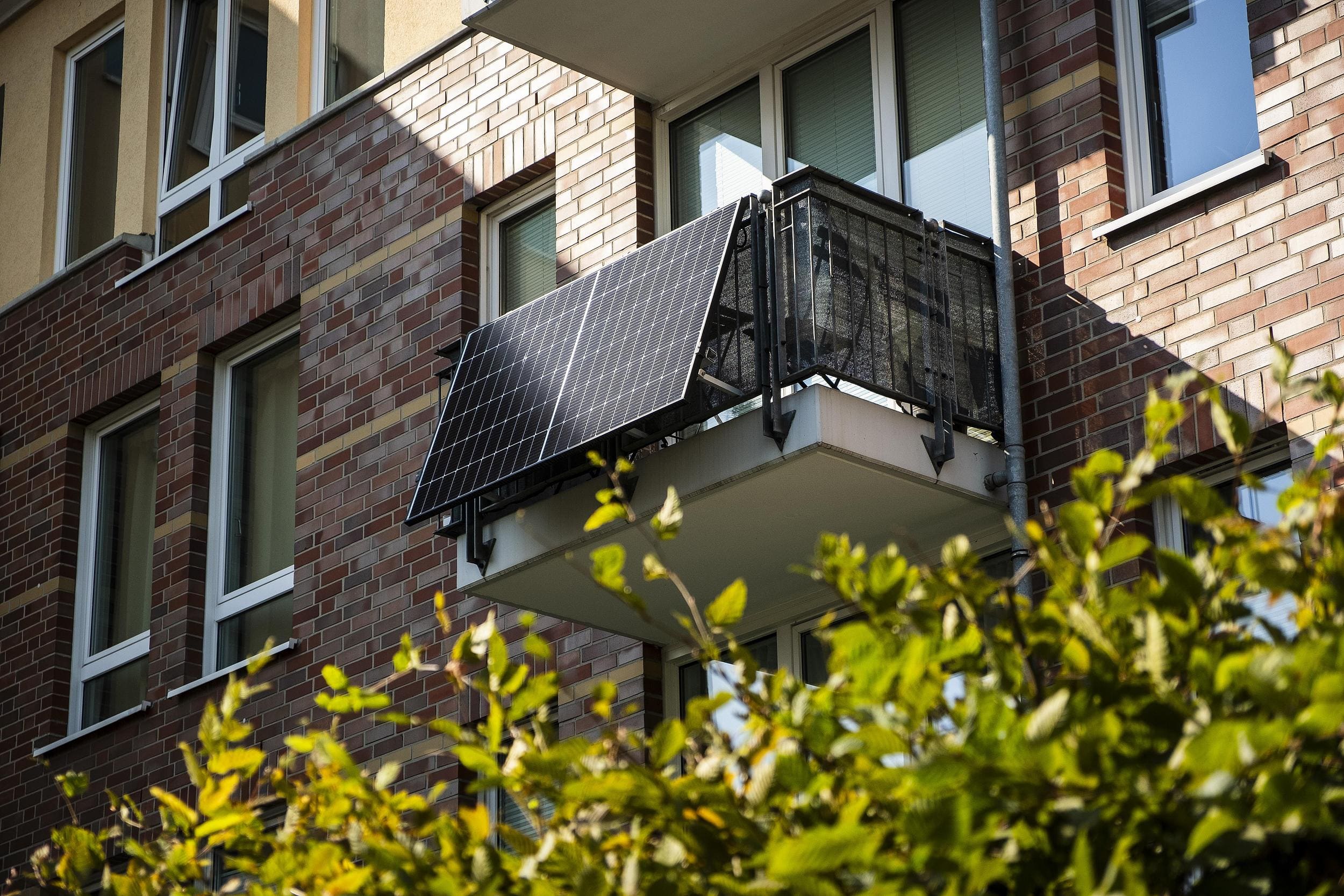
New control stacks are closing the gap. Edge controllers now forecast load against weather and time-of-use tariffs to shape charge windows, instead of chasing yesterday’s profile. When paired with a well-matched home energy storage system solution, I’ve seen consistent 15–25% improvement in bill savings without adding capacity—just logic and guardrails. That includes setting a floor SoC for storms, enforcing EV charge delays, and rate-aware pre-charging. If you’re choosing a system, here are the three metrics I use: 1) Inverter power and surge rating versus your real starting loads (look at compressor LRA, not brochure watts); 2) Control modes that support demand charge shaving and dynamic SoC floors; 3) Proven transfer time and voltage stability for your sensitive circuits. Add those up, and you’ll get fewer headaches and steadier savings. If you want a reference point without the fluff, I often start evaluations with the published specs and integration notes from HiTHIUM—clean docs make the work faster—then validate on-site with logging over a full billing cycle.