
Introduction: The Scene, The Numbers, The Big Question
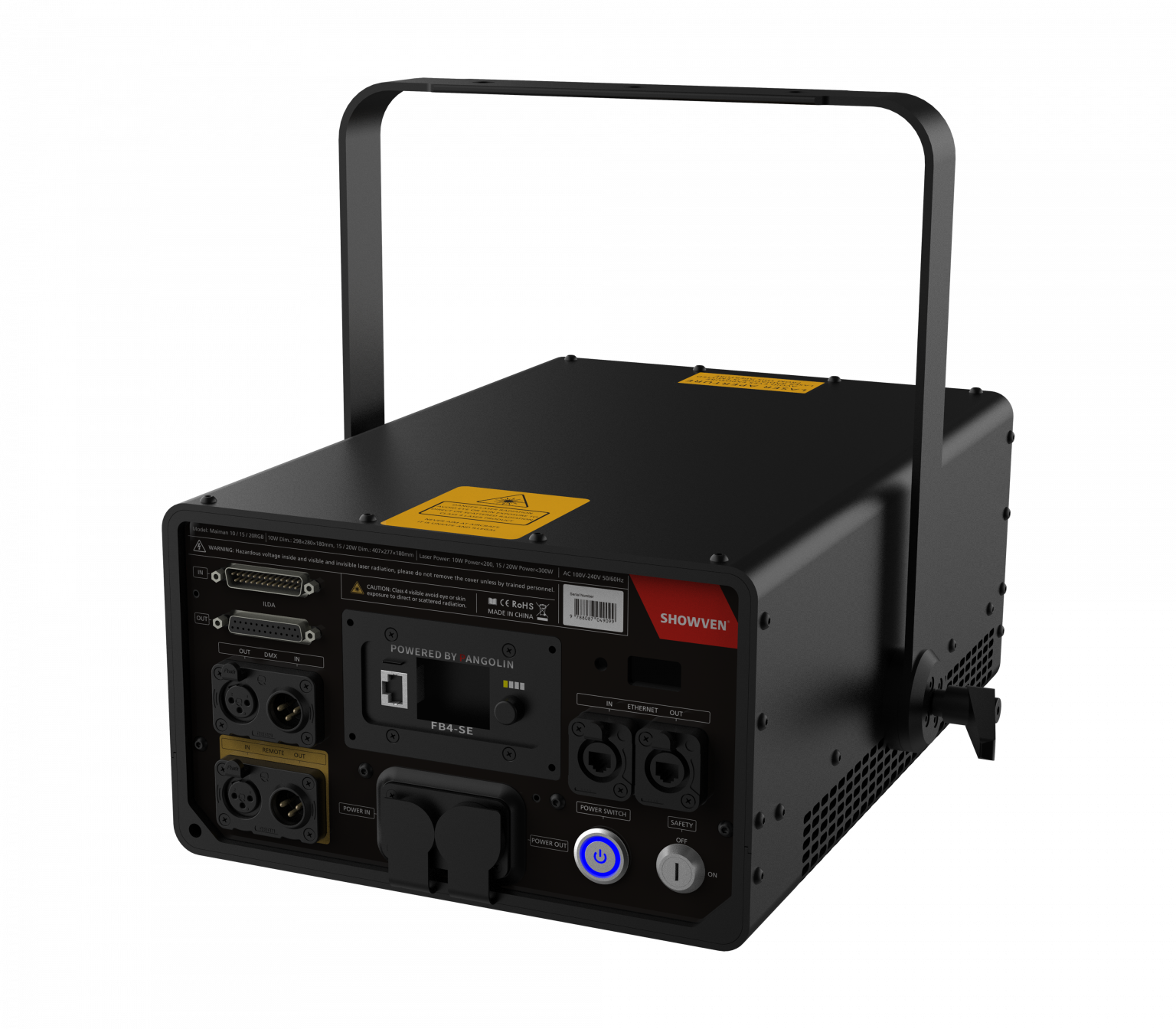
Define the stage, define the outcome. Stage Laser Lights live or die by physics and control, not just marketing blurbs. If you’re choosing concert lasers for a tight venue or an outdoor carnival, you’re playing with beam geometry, scanner limits, and safety zones. A 1 mrad beam becomes roughly 10 cm wide at 100 m; push it to 2 mrad and your aerials look softer, safer, but less punchy. Many rigs still ride DMX512, while others sync over Art-Net or ILDA at higher refresh for cleaner frames. Now the scenario: you’re in Mong Kok, load-in at 3 pm, doors at 7, and the house wants crisp mid-air fans without hazer overload—aiya, timeline so tight. So the question: how do you compare across brands when spec sheets sound the same?
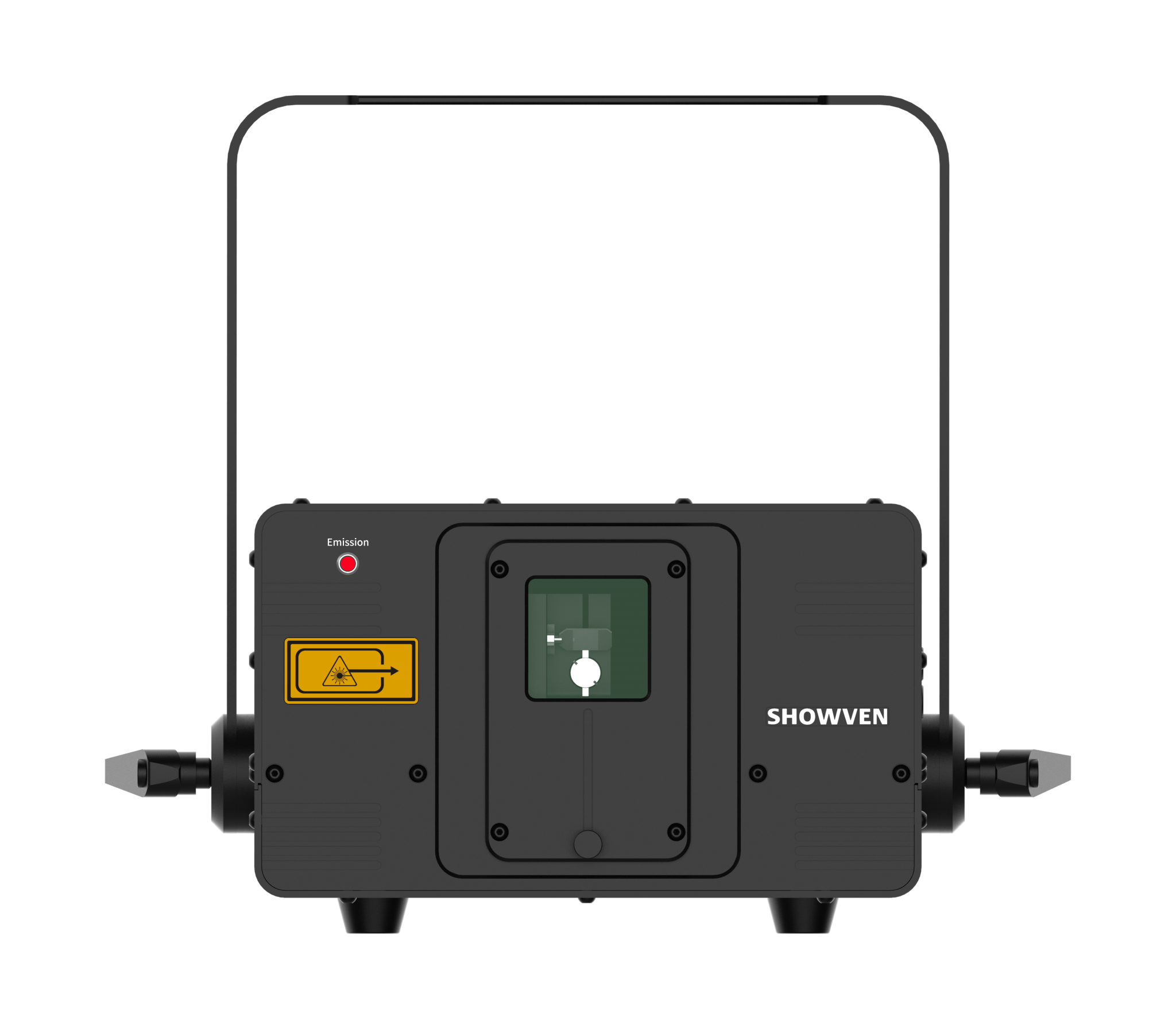
Here’s one more data point. A scanner rated 30 kpps at 8 degrees might drop to visible flicker at 20 degrees, and that hits logo clarity right when the camera rolls. Power converters add weight and heat; thermal headroom decides whether output holds after minute 12 of the headliner’s opening track. The room, the haze, and the beam divergence all meet you at FOH, not on paper. So, what matters most when time is short and risk is high? Let’s break it down and go deeper into the pain points that people often miss.
Hidden Gaps That Trip Up Concert Laser Choices
What do buyers usually miss?
Most problems don’t start on stage—they start at the assumptions. Look, it’s simpler than you think: brightness isn’t just watts; it’s beam divergence, mirror inertia, and scan angle working as a system. Many buyers chase high output, then find the aerials bloom because divergence sits above 1.5 mrad and the haze density is uneven. Others aim for fine text, but the galvo scan rate (kpps) drops at wider angles, so your graphics snap into flicker under camera shutter. Duty cycle and thermal throttling bite, too; that “full power” line lives on a curve, not a switch—funny how that works, right? Safety is another blind spot. IEC 60825-1 compliance, shutter interlocks, and attenuation maps matter when audience scanning is off-limits or tightly regulated. Then there’s control latency: DMX for cues, ILDA for frames, and network hops that add jitter if your switches aren’t tuned. The real pain? People rarely test at throw distance with real haze, real camera ISO, and the exact cue timing. That’s where shows succeed or crack.
From Specs to Systems: Where the Next Wave Points
The next phase moves beyond single “big number” specs to integrated control. New heads lean on smarter drivers and motion profiles that keep scan efficiency high even as angles widen. Beam shaping gets tighter by pairing RGB diode modules with calibrated optics and closed-loop galvanometer feedback. Onboard diagnostics flag thermal drift before it’s visible. And control stacks merge: timecode sync, OSC triggers, and Art-Net coexist so your show file behaves the same in rehearsal and live. In short, the system optimizes around the weakest link—mirrors, optics, or cooling—before the audience can see the dip. That’s why many teams now treat lasers like a mini rig of moving fixtures, not a single “laser box.” You’ll also see convergence with programmable stage lights, where cue granularity and fixture profiles let lasers play beautifully with beams and strobes—same timeline, tighter looks.
What’s Next
Forward-looking designs bring content intelligence closer to the head. Some units pre-process frames to reduce corner overshoot, using motion smoothing to keep text legible at higher angles. Others add safety logic that adapts attenuation maps per zone as crowds shift (within the rules, la). Case-wise, consider a waterfront festival: mid-throw at 60 m, uneven haze, and cameras at 1/100 shutter. A tuned profile with 30–35 kpps at 12 degrees and sub-1.2 mrad beams keeps aerials crisp without aggressive ISO. The same rig, when flown over the pit, can drop output via zoned dimming and still hold shape. This is where lasers and programmable stage lights align: unified timing, mapped fades, and predictable latency—even with network hops—so the “wow” lands exactly on beat. Small touches, big difference—your crew will feel it.

How to Choose Without Guessing
Here’s the practical wrap, based on the gaps and the next-wave kit. Use three checks. One: optical performance under real throw—verify beam divergence (mrad) and scan rate (kpps) at your intended angle, with your haze and camera settings. Two: control integrity—test protocol paths (DMX512, Art-Net, ILDA), observe latency and jitter in multi-node networks, and confirm safety interlocks plus IEC 60825-1 documentation. Three: endurance under heat—watch thermal behavior across a full song block, not a 30-second burst; log output stability and any throttling. If a unit stays sharp, holds sync, and keeps its cool, you can scale it with confidence—no dramas. Keep it simple, keep it testable, and your show looks clean on-site. For deeper technical references and product lines that illustrate these ideas, see Showven Laser.